Trip Info
-
Tea House
-
Autumn & Spring
-
Guided
-
4130
-
B, L, & D
-
6 Hours
Overview
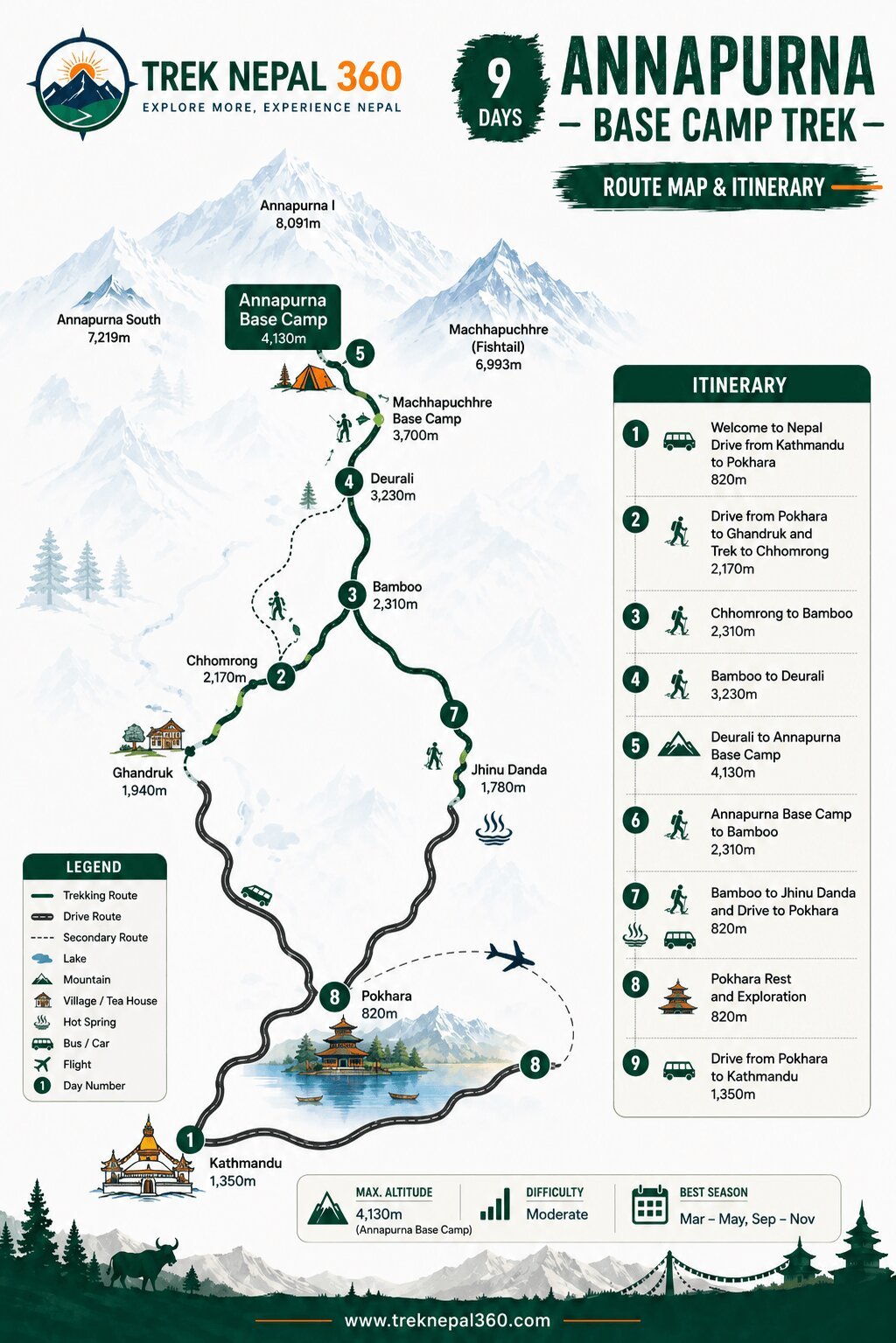
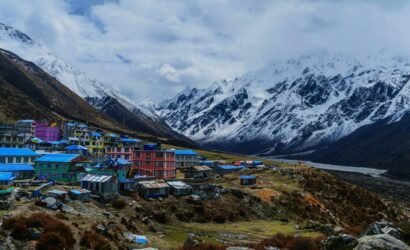
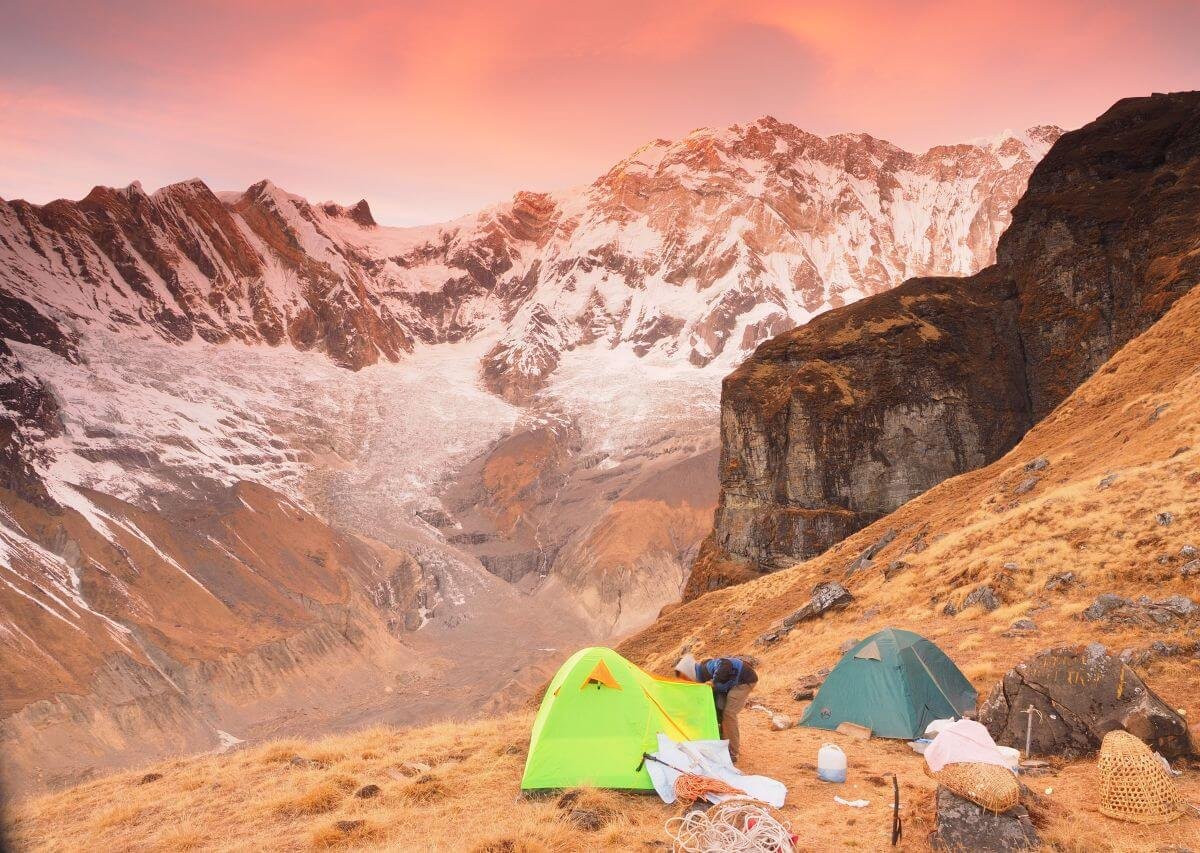
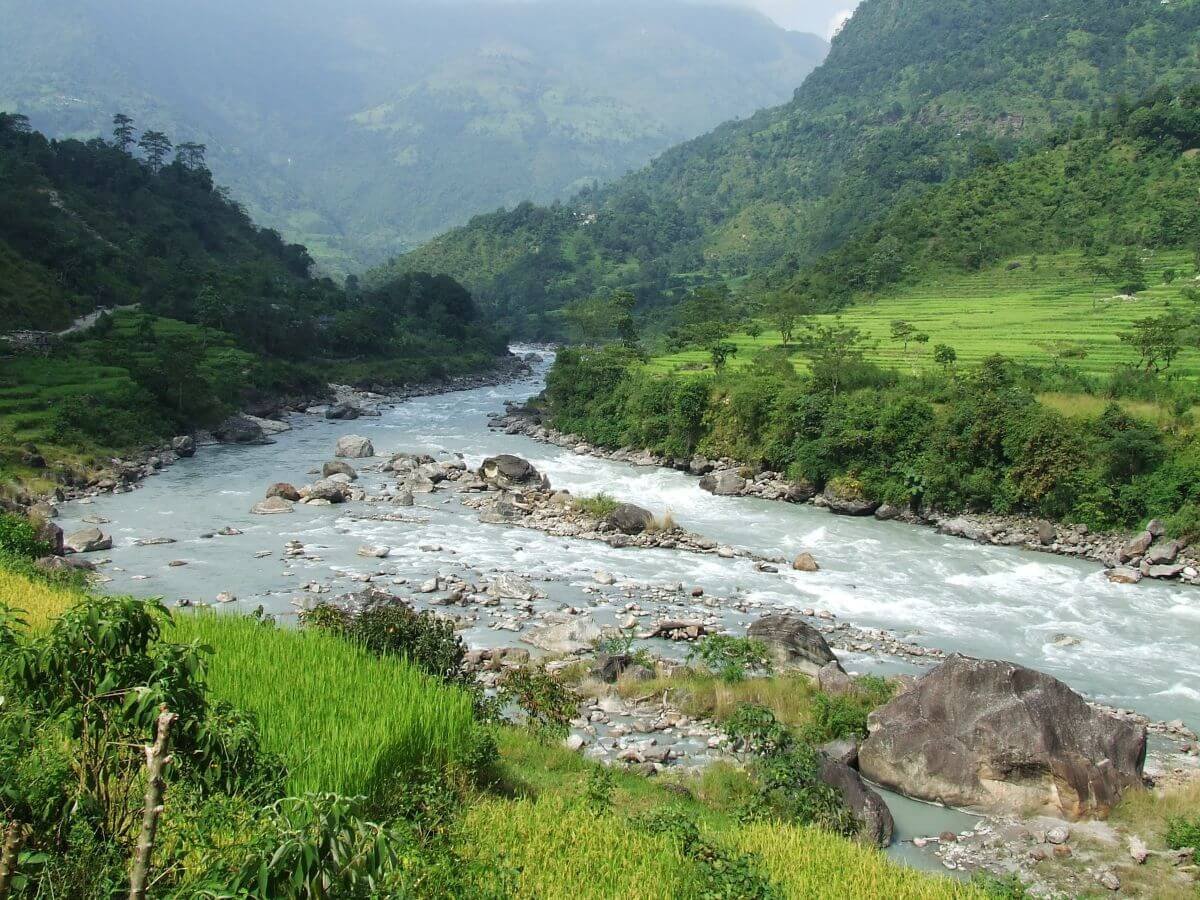
The Annapurna Base Camp Trek for Nepali Trekkers offers an exciting way to explore the Himalayas without leaving Nepal. Also known as the ABC Trek or Annapurna Sanctuary Trek, this journey takes you from the lush hills around Pokhara through traditional Gurung villages, terraced farmland, rhododendron forests, and dramatic mountain landscapes to Annapurna Base Camp at 4,130 meters.
For Nepali trekkers, the route combines adventure with relatively convenient access from major cities such as Kathmandu and Pokhara. You can reach the trailhead by road, stay in comfortable teahouses along the route, enjoy local Nepali meals, and experience the changing landscapes of the Annapurna region without needing an extremely long expedition.
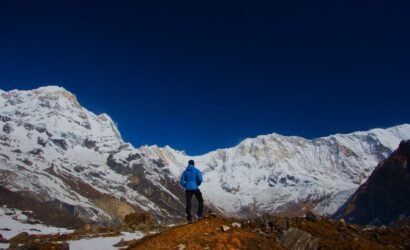
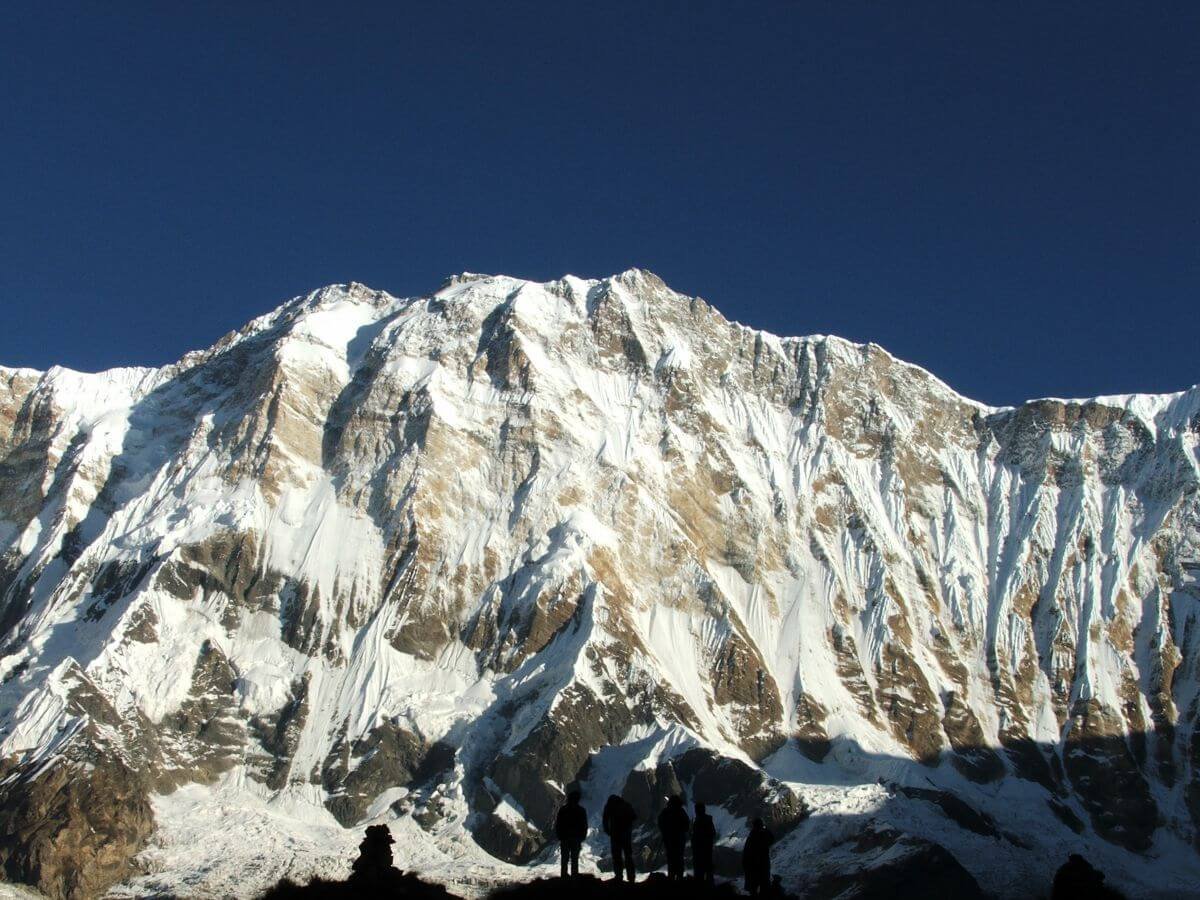
The trek also brings you close to some of Nepal’s most spectacular peaks, including Annapurna I, Annapurna South, Machhapuchhre (Fishtail), Hiunchuli, and Gangapurna. Depending on your itinerary, you can also combine the Ghorepani and Poon Hill section with the ABC route for a longer Himalayan experience.
Whether you are a first-time Himalayan trekker or an experienced Nepali hiker looking for a rewarding short adventure, the Annapurna Base Camp Trek offers a balanced combination of mountain scenery, cultural encounters, physical challenge, and natural beauty.
Is the Annapurna Base Camp Trek Worth It for Nepali Trekkers in 2027?
Yes, the Annapurna Base Camp Trek is absolutely worth it for Nepali trekkers in 2027. The trek takes you into the spectacular Annapurna Sanctuary, where you can stand at 4,130 meters surrounded by peaks such as Annapurna I, Annapurna South, Machhapuchhre (Fishtail), and Hiunchuli.
What makes ABC special is the journey itself. You walk through Gurung villages, rhododendron forests, the Modi Khola valley, Machhapuchhre Base Camp, and finally into the dramatic Annapurna Sanctuary. You can also add Ghorepani and Poon Hill if you want a longer route.
For Nepali trekkers, its easy access from Pokhara, manageable duration, teahouse accommodation, and spectacular mountain scenery make ABC one of the most rewarding Himalayan treks to consider in 2027.
Do Nepali Trekkers Need a Guide for the Annapurna Base Camp Trek?
Yes, Nepali trekkers should plan to trek ABC with a licensed guide. The Annapurna Base Camp route falls under Nepal’s trekking areas where guide and TIMS requirements apply, so being a Nepali citizen does not automatically exempt you from these rules.
For the ABC Trek, a licensed trekking guide can also make the journey easier and safer, particularly on the sections around Chhomrong, Deurali, Machhapuchhre Base Camp, and the Annapurna Sanctuary, where weather and trail conditions can change quickly.
How Much Does the Annapurna Base Camp Trek Cost for Nepali Trekkers?
A Nepali trekker can expect to spend around NPR 7,000 per day on the ABC Trek. This daily budget generally covers teahouse accommodation, meals, tea or coffee, drinking water, and basic expenses along the trail.
For a typical 7–10-day Annapurna Base Camp Trek, you can therefore plan for roughly NPR 49,000–70,000 per person for daily trekking expenses. Keep an additional budget for transportation, permits, a guide, snacks, hot showers, charging, and other personal expenses.
If you travel with friends and share transportation or other costs, you may be able to bring the overall cost down.
What Permits Are Required for Nepali Trekkers on the ABC Trek?
Nepali trekkers generally do not need the same tourist permits that foreign trekkers need for the Annapurna Base Camp Trek. However, you should still check the current entry requirements for the Annapurna Conservation Area and any local registration or checkpoint requirements before starting your trek.
For foreign visitors, the ABC route involves the Annapurna Conservation Area Permit (ACAP) and TIMS requirements, while Nepali citizens follow different arrangements. This is one reason you should not simply copy a foreign trekker’s ABC budget when planning your trip.
If you are starting from Pokhara and heading toward Ghandruk, Chhomrong, Bamboo, Deurali, Machhapuchhre Base Camp and Annapurna Base Camp, keep your citizenship identification with you. Requirements can also change, so Nepali trekkers planning for 2027 should verify the latest rules before departure.
Can You Combine Ghorepani and Annapurna Base Camp in One Trek?
Yes, you can combine Ghorepani and Annapurna Base Camp in one trekking itinerary, and it makes the journey considerably more varied. Instead of heading directly toward Chhomrong and the sanctuary, you can first explore Ghorepani and Poon Hill before continuing toward ABC.
The combination gives you two very different experiences. Poon Hill is famous for its sunrise views over the Annapurna and Dhaulagiri ranges, while ABC takes you deep inside the Annapurna Sanctuary itself.
A combined route can pass through Ghorepani → Tadapani/Ghandruk → Chhomrong → Bamboo → Deurali → Machhapuchhre Base Camp → ABC before descending toward Jhinu Danda.
For Nepali trekkers who have enough time, this is an excellent way to experience both the lower Annapurna landscapes and the high mountain sanctuary in one trip.
How Difficult Is the Annapurna Base Camp Trek for Nepali Trekkers?
The ABC Trek is moderately difficult, with the steep stone steps and increasing altitude providing the biggest challenges. You don’t need technical climbing skills, but you should be comfortable walking for several hours on consecutive days.
The trail around Ghandruk and Chhomrong involves plenty of uphill and downhill walking. As you continue through Bamboo and Deurali, the surroundings become more rugged, and the altitude becomes increasingly noticeable. The final approach from Deurali through Machhapuchhre Base Camp to Annapurna Base Camp at 4,130 meters can feel particularly demanding.
For Nepali trekkers who regularly hike or walk in hilly areas, the physical demands are usually manageable with proper preparation. Stair training, uphill walking and longer weekend hikes are useful preparation.
Don’t underestimate ABC simply because it is shorter than some other Himalayan treks the altitude and repeated ascents still require good pacing.