Trip Info
-
3 Star Hotel and Tea House
-
Available
-
English
-
B, L, & D
-
6 to 7 Hours
-
1 to 15
Overview
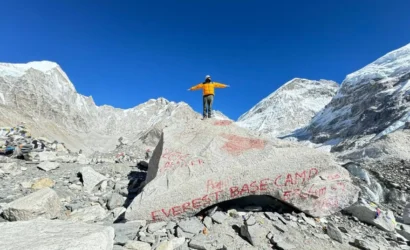
Everest Base Camp Trek in Winter is an excellent choice for trekkers seeking peaceful trails, crystal-clear mountain views, and a unique snow-covered Himalayan experience.
With proper winter gear and an experienced guide, the trek is both safe and incredibly rewarding.
The Everest Base Camp Trek in Winter takes place from December to February, when the Khumbu region is covered in snow and attracts far fewer trekkers than the peak seasons.
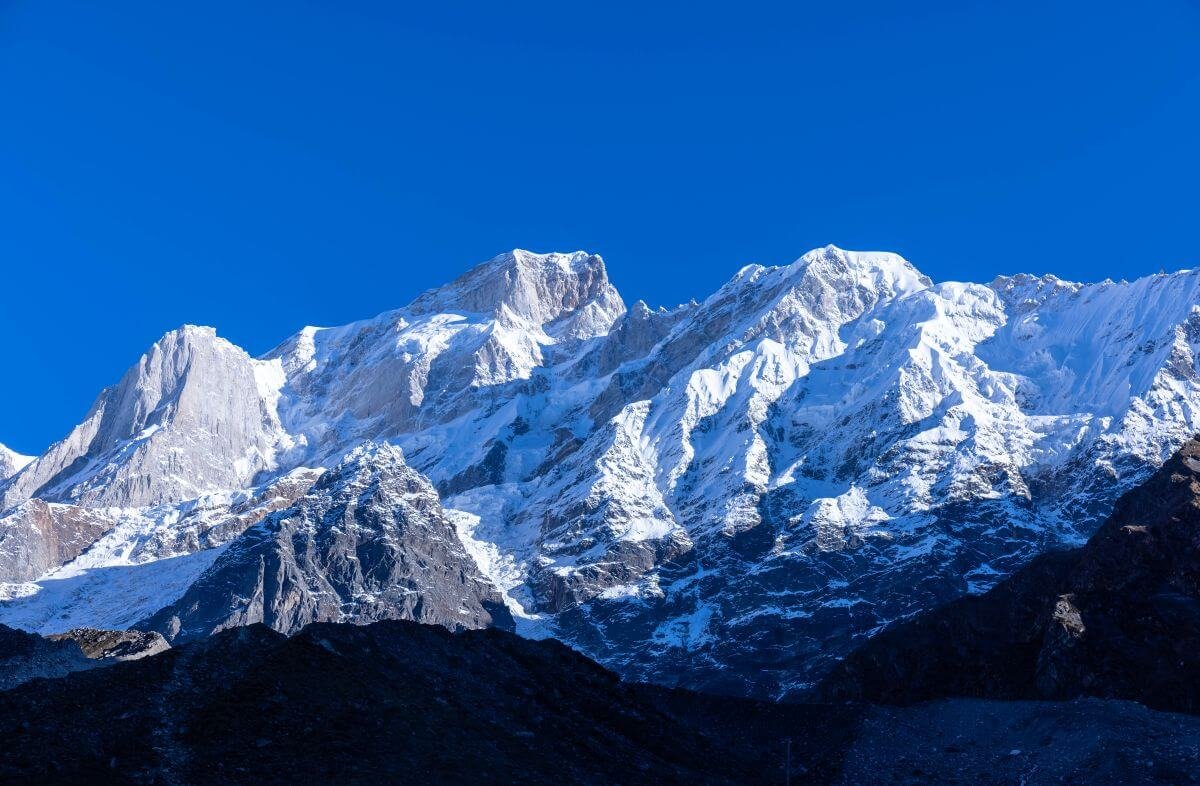
The clear winter skies offer stunning views of Mount Everest, Ama Dablam, Lhotse, and other Himalayan giants, making it one of the best times for photography.
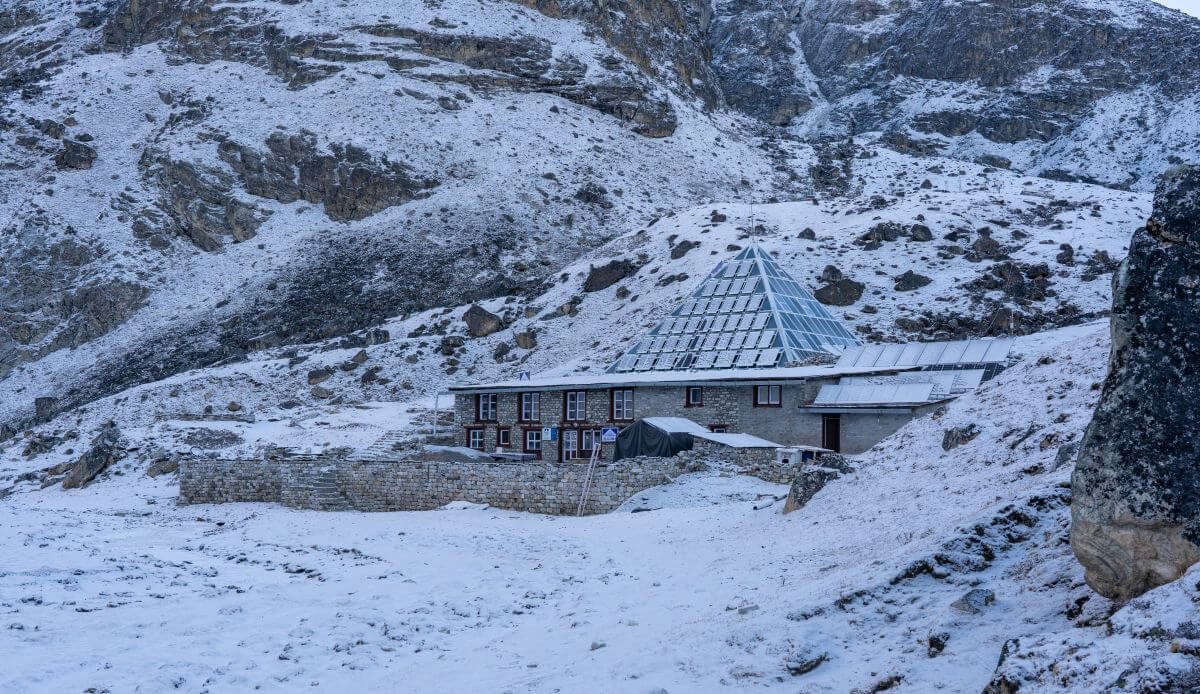
Although temperatures are colder, most teahouses remain open, and the quieter trails provide a more authentic trekking experience. With proper preparation, acclimatization, and warm clothing, the Everest Base Camp Trek in Winter is a memorable adventure for anyone looking to experience the Himalayas at their most peaceful and beautiful.
Photography Opportunities During Winter
Winter is a great time for photography in the Everest region. The clear weather and fewer clouds often provide amazing views of the mountains. The snow-covered peaks, frozen rivers, and quiet trails create beautiful scenes that are perfect for photos.
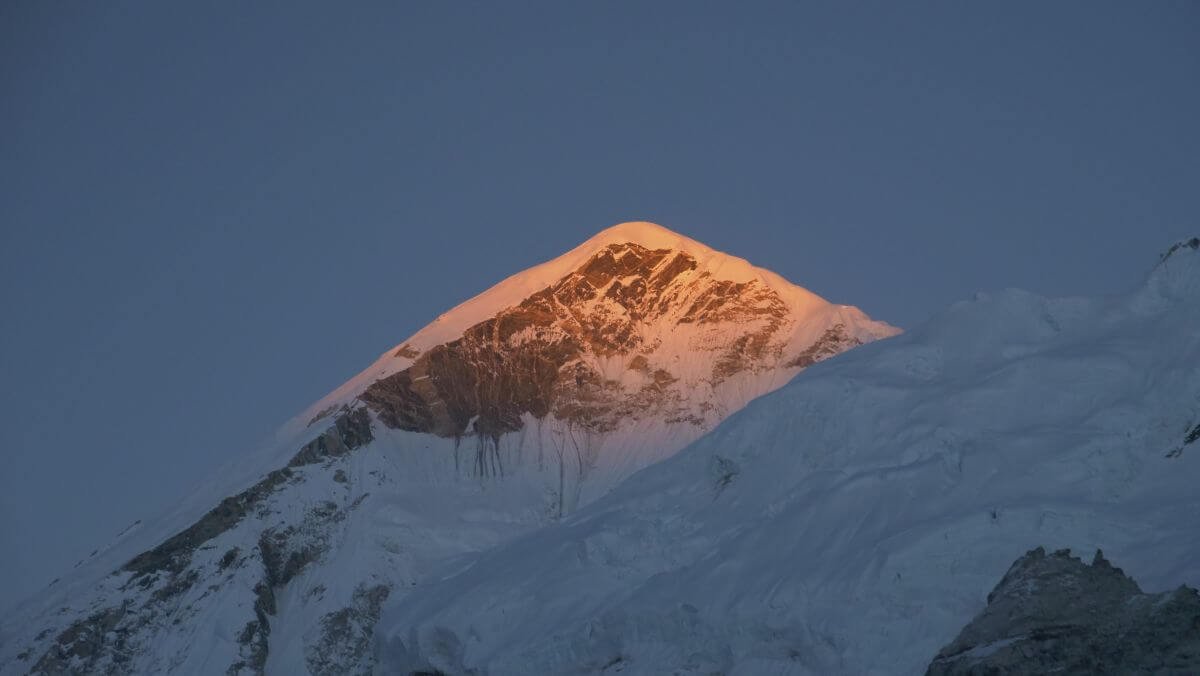
Early morning is one of the best times to capture the Himalayas. The sunrise from viewpoints like Kala Patthar and Tengboche creates golden light over Mount Everest, Ama Dablam, and other surrounding peaks.
Winter also gives photographers a chance to capture the peaceful side of the Everest region. You can take photos of traditional Sherpa villages, old monasteries, prayer flags, snowy forests, and the daily lifestyle of local people.
Since there are fewer trekkers during winter, you can enjoy less crowded trails and capture natural photos without many people around. Remember to carry extra camera batteries because cold temperatures can drain battery power quickly.
Wildlife and Scenery in the Everest Region During Winter
The Everest region becomes very peaceful and beautiful during winter. The fresh snow, clear blue skies, and quiet mountain trails create a completely different experience compared to the busy trekking seasons.
The winter landscape is one of the biggest highlights of the trek. Snow-covered mountains, frozen streams, icy waterfalls, and silent valleys make the journey feel magical. The views of Everest, Lhotse, Nuptse, and Ama Dablam become even more impressive in the clear winter air.
Wildlife can still be found in the Everest region during winter. Animals such as Himalayan Thar, musk deer, and Himalayan Monal may be seen along the trail if you are lucky. Rare animals like the snow leopard also live in this region, although spotting one is extremely difficult.
The quieter environment of winter increases the chance of enjoying nature without crowds. For travelers who love mountains, photography, and peaceful surroundings, winter offers a unique way to experience the beauty of the Everest region.
Is Winter a Good Time for the Everest Base Camp Trek?
Yes, winter is a great time for the Everest Base Camp Trek if you prefer peaceful trails and spectacular mountain views.
From December to February, the Everest region receives fewer visitors, allowing trekkers to enjoy a quieter and more authentic Himalayan experience.
Winter also offers crystal-clear skies, making it one of the best seasons for panoramic views of Mount Everest, Lhotse, Nuptse, Ama Dablam, and other Himalayan peaks.
Although temperatures are much colder than in spring or autumn, proper preparation and quality winter gear make the trek comfortable and rewarding.
If you are comfortable trekking in cold conditions and want to avoid large crowds, the Everest Base Camp Trek in Winter is an excellent choice.
Weather During the Everest Base Camp Trek in Winter
The weather during the Everest Base Camp Trek in Winter is generally cold, dry, and stable. Winter months often bring sunny days with excellent visibility, while mornings and nights become extremely cold at higher elevations.
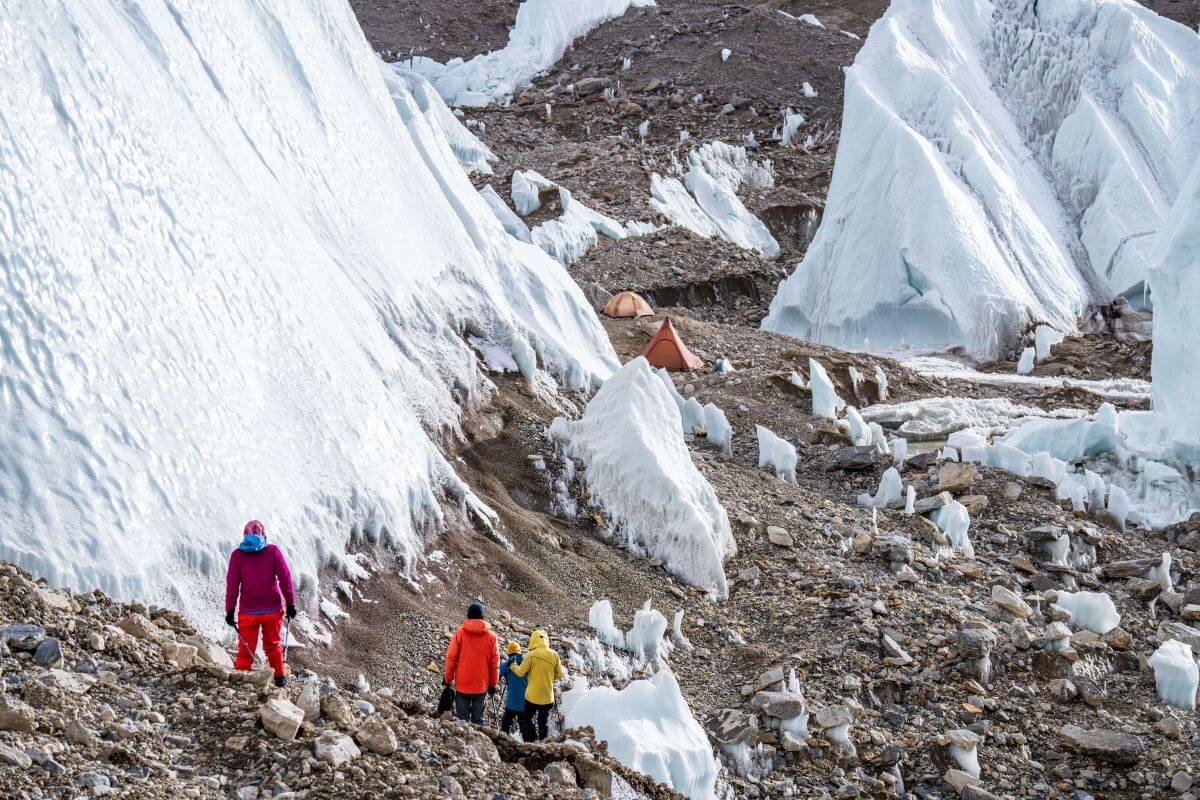
Snowfall usually occurs above Namche Bazaar, especially around Dingboche, Lobuche, Gorak Shep, and Everest Base Camp. Weather conditions can occasionally affect Lukla flights, so adding one or two buffer days to your itinerary is recommended.
Temperature at Everest Base Camp in Winter
The temperature at Everest Base Camp in Winter varies depending on altitude and time of day. During sunny afternoons, temperatures usually range between -5°C and 5°C, while nighttime temperatures can drop to -15°C to -25°C.
Higher viewpoints such as Kala Patthar often experience even colder conditions, especially before sunrise. Wearing insulated clothing and sleeping bags rated for sub-zero temperatures is essential.