Nepal is not a destination where you need to choose between mountains and culture. The trail gives you both. Within a few days of leaving the cities behind, you can walk through rhododendron forests, cross rushing mountain rivers, pass Buddhist monasteries, share a meal with local families and eventually find yourself surrounded by some of the highest peaks on Earth.
That variety makes Nepal one of the world’s most rewarding trekking destinations. But with so many routes available, choosing your trek for 2027 can feel surprisingly difficult. The famous Everest Base Camp Trek may be the obvious choice, but it is not necessarily the best option for everyone. A traveler with a week to spare may enjoy Mardi Himal more, while someone looking for solitude might find Manaslu or Kanchenjunga far more rewarding.
So rather than simply ranking Nepal’s treks from number one to number ten, this guide looks at what each trek actually offers, who it suits, what makes it different and why you might want to choose it for your 2027 adventure.
Table of Contents
Everest Base Camp Trek – For the Classic Himalayan Experience
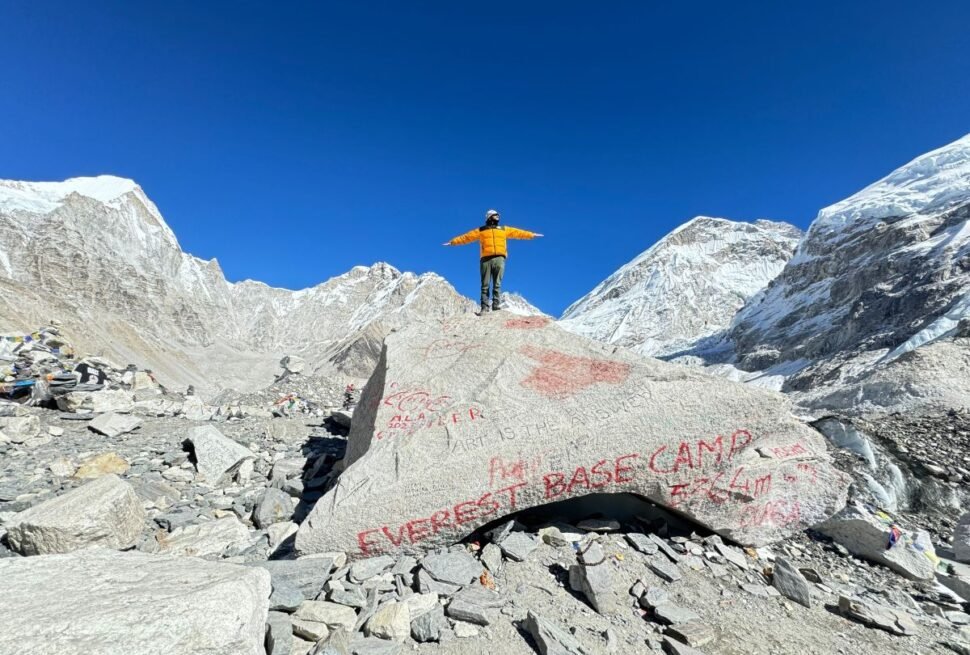
If you have imagined yourself walking beneath Everest, the Everest Base Camp Trek is the journey that brings that picture to life.
The trek begins with the dramatic flight to Lukla before the trail enters the Khumbu Valley. From there, you gradually move through villages such as Phakding, Namche Bazaar, Tengboche, Dingboche and Lobuche before reaching Everest Base Camp.
Yet the attraction is not simply standing at Base Camp.
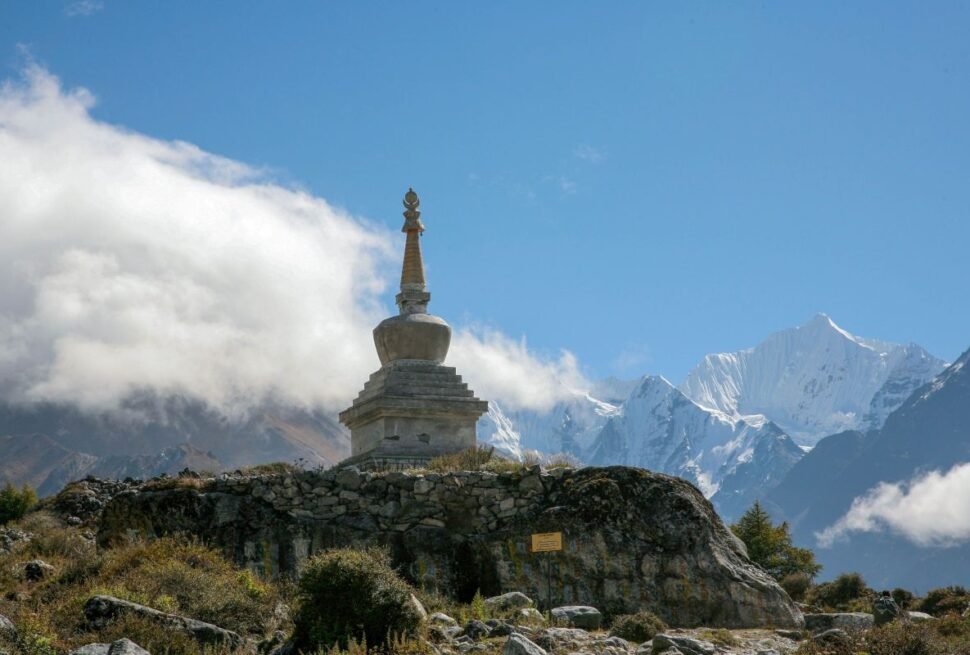
The trail lets you experience the world of the Sherpa people. You pass mani walls covered with Buddhist prayers, visit monasteries, cross suspension bridges and watch the landscape change as the trail climbs higher. Namche gives you your first major taste of high-altitude mountain life, while Tengboche offers one of the region’s most memorable monastery settings.
The trek also teaches you patience. You cannot rush toward Everest. Your body needs time to adjust to the increasing altitude, which makes acclimatization days an essential part of a responsible itinerary.
Choose Everest Base Camp if: seeing Everest has always been on your bucket list and you want the classic Himalayan trekking experience.
Typical duration: Around 12–14 days, depending on the itinerary.
Annapurna Circuit Trek – Best for Changing Landscapes
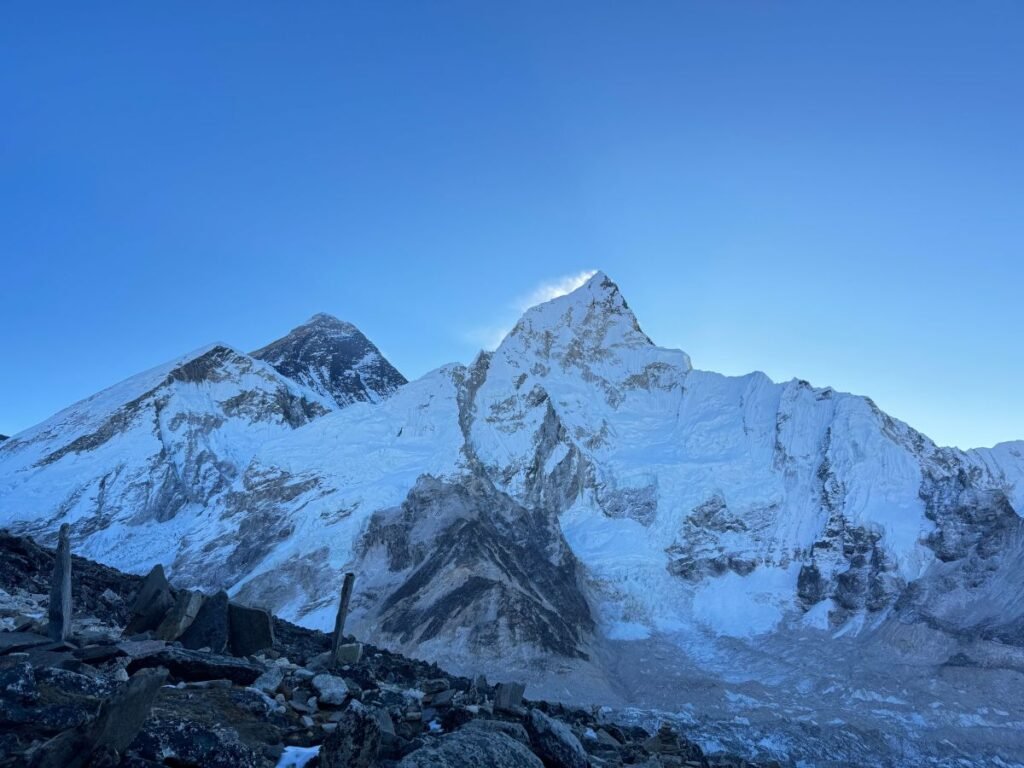
The Annapurna Circuit stands out because the scenery refuses to stay the same for long.
You can begin the journey among green hills, terraced farmland and subtropical vegetation. As you continue toward Manang, the valley becomes drier and the mountains increasingly dominate the horizon. Eventually, you climb toward Thorong La Pass at approximately 5,416 meters before descending toward the Mustang side of the Annapurna region.
That transition creates one of the trek’s biggest attractions.
You experience forests, waterfalls, mountain valleys, high passes, traditional villages and the dry landscapes of the trans-Himalayan region within one journey.
The trek also gives you plenty of opportunities to experience local communities rather than simply walking from viewpoint to viewpoint. Villages along the route have their own architecture, food, traditions and stories.
Choose Annapurna Circuit if: you want a longer trek with constantly changing scenery and a strong combination of nature and culture.
Typical duration: Around 12–18 days, depending on the route and transportation arrangements.
Manaslu Circuit Trek – Best for a More Remote Himalayan Journey
Some trekkers do not want the busiest trail in Nepal. They want to feel like they have gone somewhere genuinely remote.
That is where the Manaslu Circuit Trek comes in.
The route circles Mount Manaslu, the world’s eighth-highest mountain, while following the dramatic Budhi Gandaki Valley. The landscape gradually changes from lush lower hills into increasingly rugged Himalayan terrain.
As you approach the higher sections, Tibetan Buddhist culture becomes more prominent, and the villages take on a noticeably different character.
The major challenge arrives at Larkya La Pass, where you reach an altitude of around 5,106 meters. Crossing the pass requires good preparation, appropriate acclimatization and favorable mountain conditions.
Manaslu also has a different trekking atmosphere from the most established routes. The restricted-area regulations help control access, and the journey generally feels quieter and more adventurous.
Choose Manaslu if: you have previous trekking experience and want a quieter alternative to Everest and Annapurna.
Typical duration: Around 14–18 days.
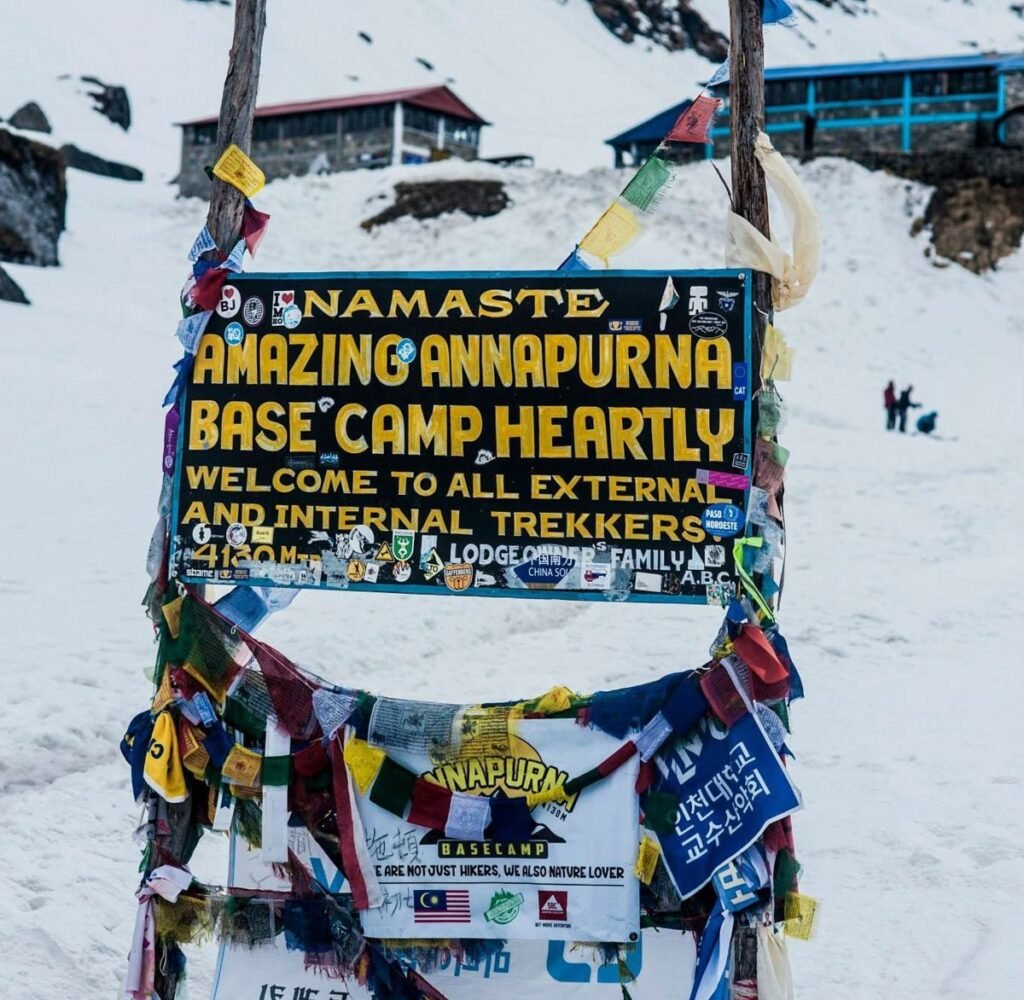
Annapurna Base Camp Trek – Best for a Shorter Himalayan Adventure
You do not need to spend three weeks in the mountains to experience an impressive Himalayan landscape.
The Annapurna Base Camp Trek takes you deep into the Annapurna Sanctuary within a relatively compact itinerary.
The trail passes through forests, hillside settlements and mountain valleys before gradually surrounding you with enormous Himalayan peaks. As you approach base camp, the mountains seem to rise directly from the valley around you.
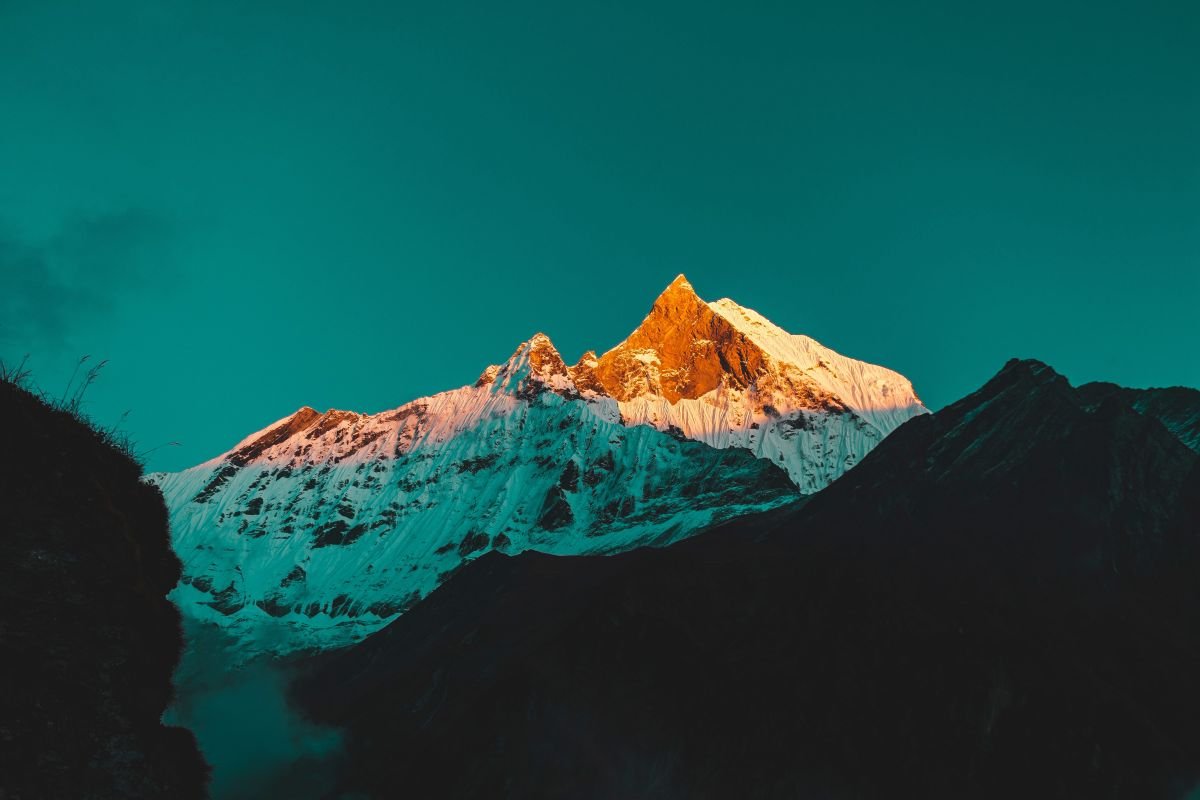
Machhapuchhre, commonly known as Fishtail, becomes one of the most recognizable peaks along the journey, while Annapurna I provides the dramatic backdrop near base camp.
The trek also offers a rewarding cultural experience, particularly through the Gurung communities found along sections of the route.
Choose Annapurna Base Camp if: you want dramatic Himalayan scenery but cannot dedicate several weeks to a longer circuit.
Typical duration: Around 7–12 days, depending on the starting and ending points.
Langtang Valley Trek – Best for Travelers With Limited Time
One of Langtang’s biggest advantages is that you do not have to travel far from Kathmandu before the mountains begin to take over the landscape.
The journey takes you through the Langtang Valley toward Kyanjin Gompa. Along the way, the trail moves through forests and traditional Tamang settlements before reaching increasingly alpine surroundings.
Kyanjin Gompa provides a natural turning point for the trek. From here, trekkers with enough time and energy can climb nearby viewpoints such as Kyanjin Ri or Tserko Ri for broader Himalayan views.
Langtang also carries a strong sense of community. The villages, monasteries and mountain environment create a trekking experience that feels intimate compared with some of Nepal’s larger trekking corridors.
Choose Langtang if: you want a genuine Himalayan trek but have limited time in Nepal.
Typical duration: Around 7–10 days.
Mardi Himal Trek – Best for a Short Trek With Big Views
Mardi Himal proves that a shorter trek does not have to mean a smaller mountain experience.
The route climbs through forests and hillside communities before reaching open ridges where the views expand dramatically. As you gain elevation, Machhapuchhre and the Annapurna range begin to dominate the skyline.
The trail’s relatively short duration makes it particularly attractive to travelers who are visiting Pokhara and want to add a Himalayan trek without committing to a long expedition.
You also get a satisfying mixture of forest walking, mountain ridges, local villages and high-altitude scenery.
Choose Mardi Himal if: you have around a week and want a scenic Himalayan trek without the commitment of a longer circuit.
Typical duration: Around 5–8 days.
Kanchenjunga Base Camp Trek – Best for True Wilderness
If you want to travel far beyond Nepal’s most familiar trekking routes, look toward Kanchenjunga in eastern Nepal.
The Kanchenjunga Base Camp Trek takes you into a remote corner of the country surrounding Mount Kanchenjunga, the world’s third-highest mountain.
The journey requires more time and preparation than many popular Nepal treks. You spend longer days in remote valleys, encounter fewer trekkers and travel through landscapes that feel considerably less developed for mass tourism.
That remoteness is exactly what attracts adventurous trekkers.
You get forests, alpine valleys, dramatic mountain scenery and culturally distinctive villages without the constant movement of large trekking groups.
Choose Kanchenjunga if: you have strong trekking experience and want solitude, wilderness and a more demanding Himalayan journey.
Typical duration: Around 18–24 days, depending on the itinerary.
Upper Mustang Trek – Best for Tibetan Culture and a Different Nepal
When many people picture Nepal, they imagine green hills, snowy mountains and dense forests.
Upper Mustang looks completely different.
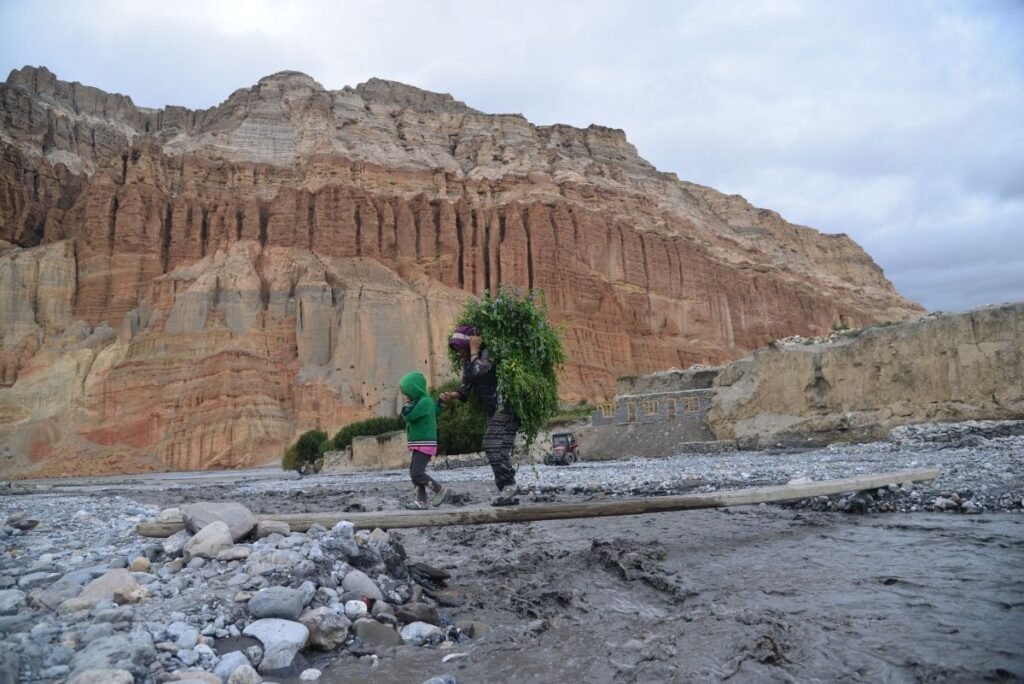
The region lies in the rain shadow of the Annapurna and Dhaulagiri ranges, creating a dry landscape filled with barren cliffs, eroded hills and ancient settlements.
The cultural experience makes the journey even more distinctive. Tibetan Buddhist traditions remain deeply rooted in the region, and villages such as Lo Manthang provide a fascinating glimpse into the area’s history and way of life.
Upper Mustang also works well for travelers who want to explore Nepal outside the conventional spring and autumn trekking calendar because the region receives far less monsoon rainfall than many other trekking areas.
Because Upper Mustang falls within Nepal’s restricted trekking areas, travelers need the appropriate permits and must follow the current regulations.
Choose Upper Mustang if: you care as much about culture, history and unusual landscapes as you do about mountain views.
Typical duration: Around 14–18 days.
Gokyo Valley Trek – Best for High-Altitude Lakes
You do not have to follow the standard Everest Base Camp route to experience the Khumbu.
The Gokyo Valley Trek takes you toward a collection of beautiful high-altitude lakes surrounded by some of the region’s most impressive peaks.
The climb to Gokyo Ri provides one of the journey’s major highlights. From the viewpoint, you can see a sweeping Himalayan panorama that includes Everest and other major peaks of the Khumbu.
For trekkers who want more than a short standalone adventure, Gokyo can also form part of a longer Everest-region itinerary involving high passes and Everest Base Camp.
Choose Gokyo if: you want Everest-region scenery but prefer lakes, quieter valleys and an alternative route.
Typical duration: Around 12–15 days for a standard itinerary.
Makalu Base Camp Trek – Best for Experienced Adventurers
The Makalu Base Camp Trek belongs to a different category from Nepal’s easier and more accessible trekking routes.
The trail takes you toward Mount Makalu, the world’s fifth-highest mountain, while passing through the remote Makalu-Barun region.
The route demands more from trekkers because of its remoteness, changing elevations and limited infrastructure. You need to prepare properly, allow enough time for acclimatization and accept that the journey can feel much more rugged than trekking in Everest or Annapurna.
But that challenge creates its own reward.
Instead of following a heavily established tourist corridor, you enter a landscape where wilderness remains one of the main attractions.
Choose Makalu if: you already have serious trekking experience and want one of Nepal’s more demanding wilderness journeys.
Typical duration: Around 18–22 days.
Which Nepal Trek Should You Choose in 2027?
There is no single trek that deserves the title of “best trek in Nepal” for every traveler.
Your best choice depends on what you actually want from the journey.
If Everest has been your lifelong dream, choose Everest Base Camp. If you want dramatic changes in scenery, Annapurna Circuit offers one of the country’s most varied journeys. If you want something quieter, Manaslu makes an excellent choice. Travelers with limited time can look toward Langtang, Mardi Himal or Annapurna Base Camp, while experienced trekkers who want genuine remoteness can consider Kanchenjunga or Makalu.
If culture and unusual landscapes interest you more than simply reaching a famous mountain destination, Upper Mustang can offer a completely different side of Nepal.
| Your Priority | Trek to Consider |
|---|---|
| First Himalayan trek | Everest Base Camp |
| Changing landscapes | Annapurna Circuit |
| Quieter trekking | Manaslu Circuit |
| Shorter mountain adventure | Annapurna Base Camp |
| Close to Kathmandu | Langtang Valley |
| Short trek from Pokhara | Mardi Himal |
| Remote wilderness | Kanchenjunga |
| Tibetan culture | Upper Mustang |
| High-altitude lakes | Gokyo Valley |
| Serious wilderness adventure | Makalu Base Camp |
Best Time to Trek in Nepal in 2027
For most popular trekking regions, spring and autumn remain the most reliable seasons.
Spring, particularly March through May, brings warmer temperatures, blooming rhododendrons and increasingly lively mountain trails. Autumn, especially October and November, attracts trekkers with clearer skies, crisp mountain views and generally stable conditions after the monsoon.
Winter can still work well for lower-elevation treks, but snow and freezing temperatures can make high passes considerably more demanding.
Summer brings the monsoon to much of Nepal, but that does not automatically mean you need to cancel your trekking plans. Upper Mustang and other rain-shadow areas can provide alternatives because they receive significantly less rainfall.
The key is to choose the season according to your route rather than assuming that one season works equally well everywhere.
What About Permits and Guides for 2027?
Trekking regulations can change, so you should never rely entirely on an old permit fee or a trekking article written several years ago.
Nepal currently requires licensed guides and TIMS cards on many major trekking routes, while restricted areas have additional permit requirements. The exact requirements, fees and procedures that apply in 2027 should be confirmed before departure.
This matters particularly for routes such as Manaslu, Upper Mustang, Kanchenjunga and other restricted trekking areas.
A responsible trek operator should also help you understand the permits, transportation, accommodation, guide arrangements and insurance requirements before you begin the trek.
How to Choose Your Trek Without Regretting It?
The biggest mistake you can make when choosing a Nepal trek is selecting a route only because it looks impressive on Instagram.
Instead, think about how you actually want to spend your time in the mountains.
Do you want comfortable teahouses and a well-established route? Do you want remote villages where you may meet only a handful of trekkers each day? Do you want to spend two weeks in the mountains, or would five days be enough? Are you comfortable spending several nights above 4,000 meters? Do you want mountain photography, cultural encounters, challenging passes or simply a peaceful walk through the Himalayas?
Once you answer those questions, the choice becomes much clearer.
A trek that looks “less famous” on paper may end up being the highlight of your Nepal trip.