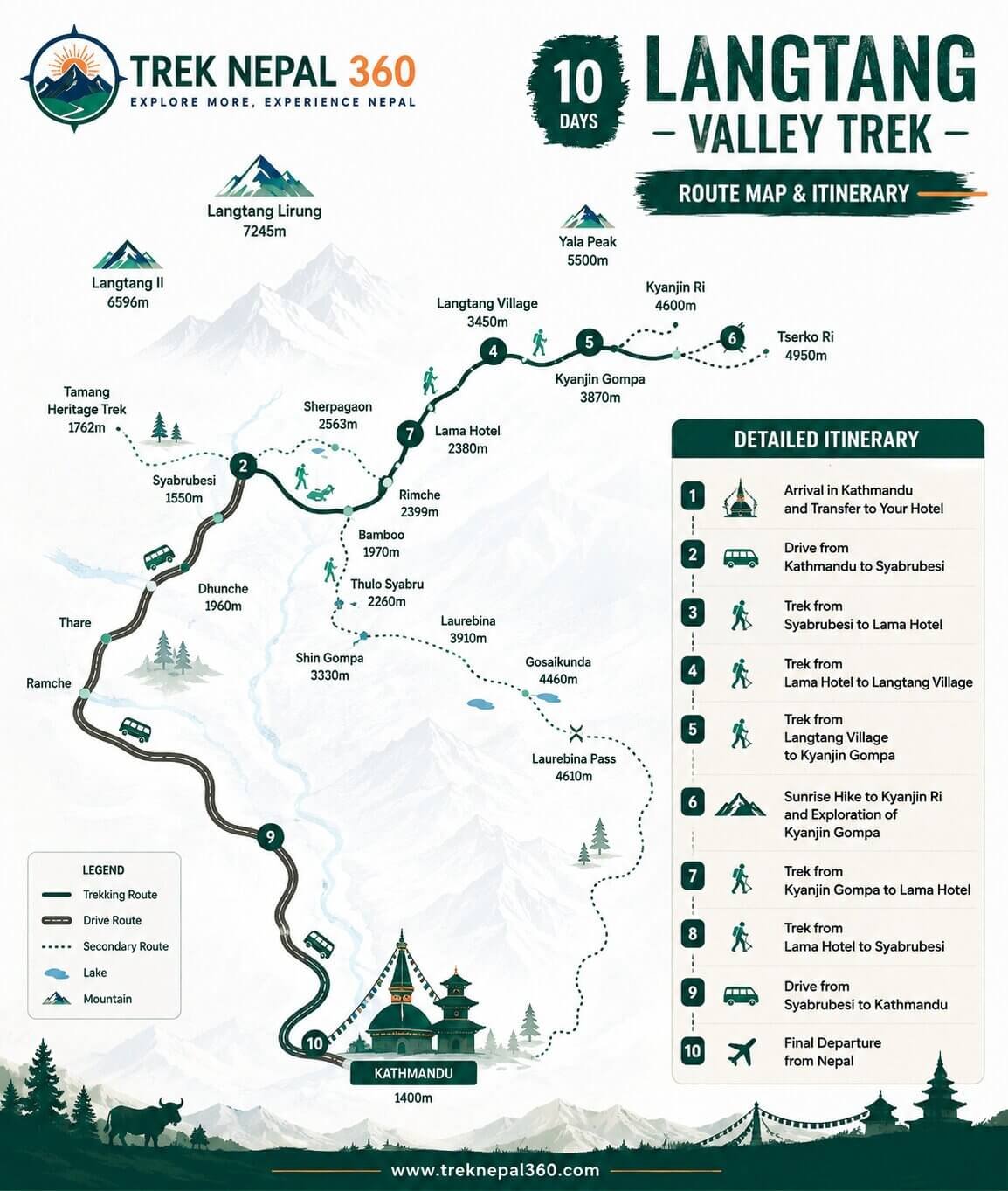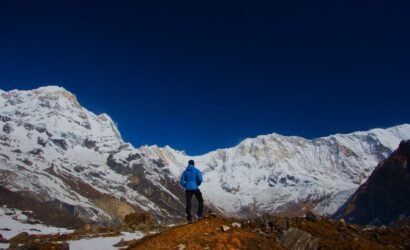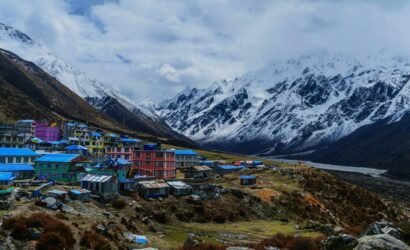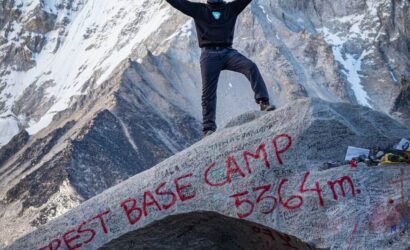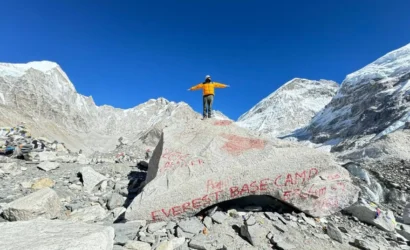
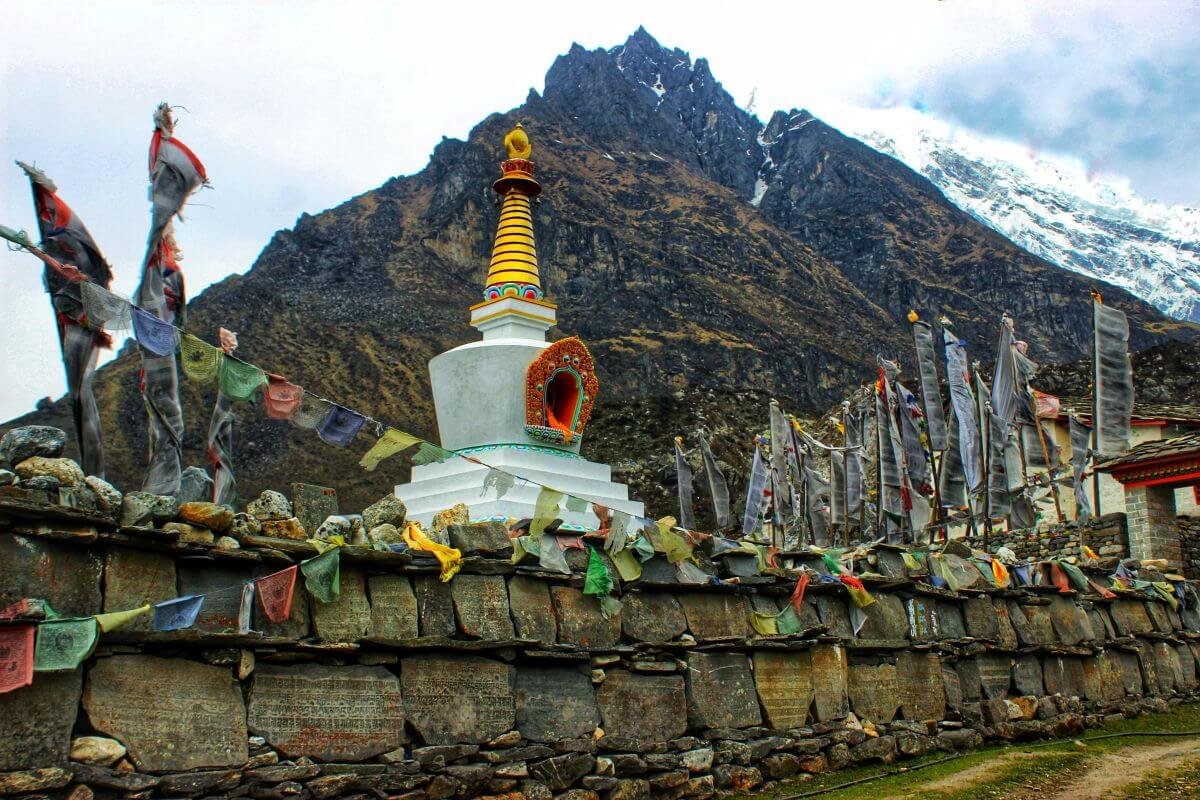
A 10-day Himalayan adventure through Langtang National Park, combining scenic drives, lush forests, Tamang villages, Buddhist culture, alpine landscapes, Kyanjin Gompa, a sunrise hike to Kyanjin Ri, and breathtaking views of Langtang Lirung. With 3-star Kathmandu hotels, comfortable teahouse stays, private transportation, permits, meals, airport transfers, and an experienced guide included, this package makes exploring the Langtang Himalayas smooth, comfortable, and unforgettable.
Trip Info
-
4,773 m
-
B, L, & D
-
Private Vehicle
-
Guided
Overview
The Langtang Valley Trek is a rewarding Himalayan journey that takes you from the bustling streets of Kathmandu into the peaceful landscapes of Langtang National Park. The trail follows the Langtang River through dense forests, traditional Tamang villages, alpine meadows and rugged mountain terrain before reaching Kyanjin Gompa, the spiritual and scenic heart of the valley.
Along the way, you experience a wonderful combination of mountain scenery, local culture, Buddhist heritage and authentic Himalayan village life.
This trek is particularly appealing if you want a genuine Himalayan experience without committing to the longer and more demanding routes of the Everest base camp or Annapurna regions. The relatively short approach from Kathmandu means you spend less time travelling and more time on the trail.
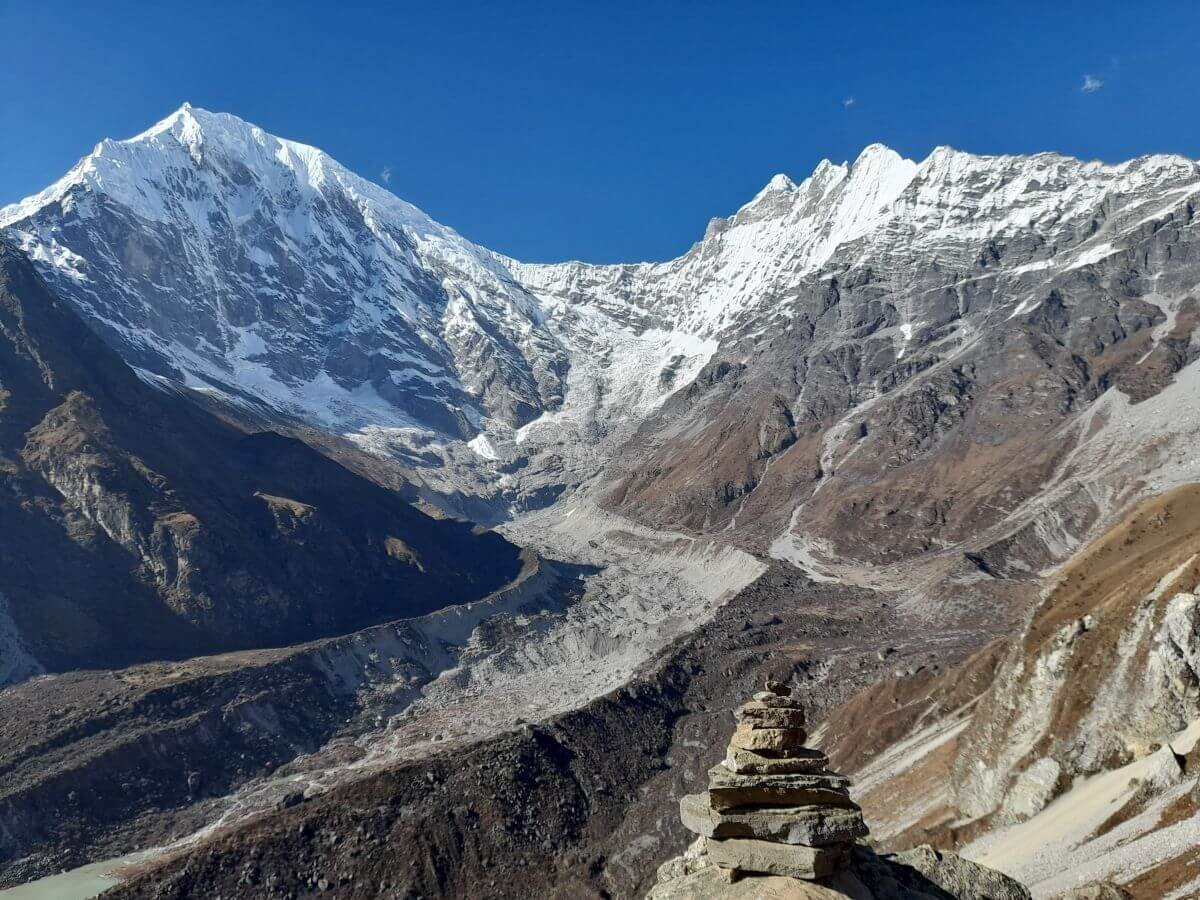
As you gradually gain altitude, the scenery changes from lush forests and terraced hillsides to open alpine landscapes surrounded by snow-covered peaks, including the impressive Langtang Lirung.
The journey reaches its most spectacular point around Kyanjin Gompa. From here, you can explore the surrounding high-altitude landscape and take optional hikes to viewpoints such as Kyanjin Ri or Tserko Ri, depending on your itinerary, fitness and weather conditions. These climbs reward you with expansive views of Langtang’s glaciers, valleys and Himalayan summits.
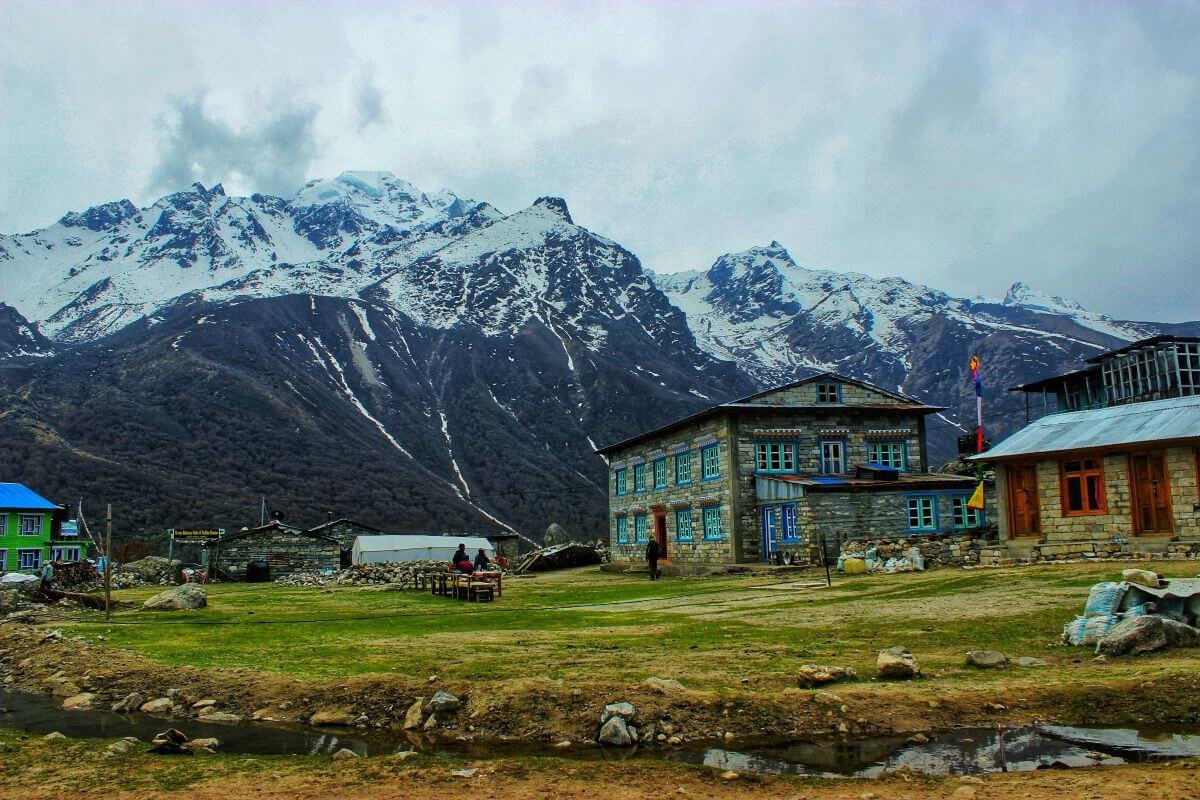
Beyond the scenery, the trek gives you an opportunity to experience the culture of the Tamang communities that have lived in the region for generations. You will pass prayer wheels, chortens, monasteries and traditional settlements while staying in local teahouses along the route.
The combination of welcoming villages and dramatic mountain landscapes gives the journey a distinctly personal character that you may not get from a purely sightseeing-focused trip.
Our Langtang Valley Trek package takes care of the essential logistics so you can concentrate on enjoying the trail. Depending on the package you choose, the arrangements can include Kathmandu transportation, trekking permits, accommodation, meals, a professional trekking guide and other necessary services.
We plan the itinerary with gradual altitude gain and appropriate rest so you can adapt comfortably as you move deeper into the valley.
Whether you are a first-time Himalayan trekker or an experienced hiker looking for a shorter mountain adventure, the Langtang Valley offers an excellent balance of adventure, scenery, culture and accessibility.
With its spectacular mountain views, authentic villages and manageable duration, this trek is one of Nepal’s most rewarding choices for travellers who want to experience the Himalayas without spending several weeks on the trail.
Why Is Langtang Known as the Valley of Glaciers?
Langtang is often called the “Valley of Glaciers” because of the remarkable concentration of glaciers and glaciated mountains surrounding the valley.
As you trek deeper into the region, the landscape gradually opens from dense Himalayan forests into a dramatic alpine environment dominated by snow-covered peaks, ice formations and high mountain valleys.
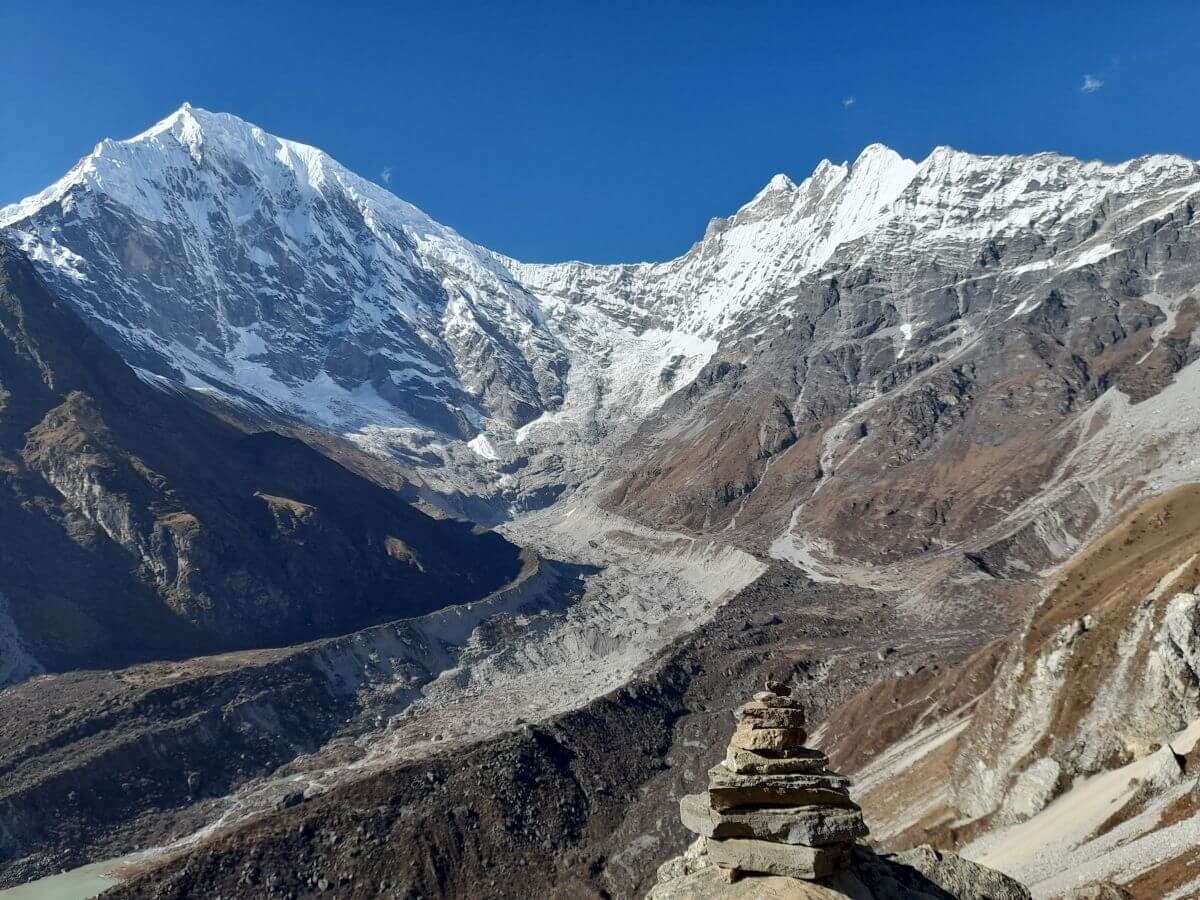
The most impressive scenery appears around Kyanjin Gompa, where mountains such as Langtang Lirung rise above the valley. From the higher viewpoints around Kyanjin, you can see glaciers descending from the surrounding peaks and appreciate how these immense ice formations have shaped the landscape over thousands of years.
The name also reflects the character of the entire valley. Unlike lower sections of the trek, where forests and villages dominate the scenery, the upper Langtang region feels distinctly glacial and alpine. Rugged mountains, rocky slopes, moraines and snow-covered summits create the kind of Himalayan environment that makes this trek particularly memorable.
For trekkers, this means you do not have to travel extremely far into the Himalayas to experience spectacular high-altitude scenery. Within a relatively short trekking journey, the landscape transforms from green forests and traditional villages into a vast mountain wilderness.
One of Nepal’s Most Accessible Himalayan Treks
The Langtang Valley Trek stands out as one of Nepal’s more accessible Himalayan trekking routes because of its convenient location and relatively short approach from Kathmandu. Unlike some longer Himalayan adventures that require extensive travel and several weeks on the trail, Langtang allows you to reach a high-altitude mountain environment within a manageable timeframe.
The overland journey takes you toward Syabrubesi, the usual starting point of the trek. From there, the trail gradually follows the Langtang River through forests, settlements and increasingly dramatic mountain landscapes. This relatively direct access makes the route particularly attractive to travellers who have limited time but still want an authentic Himalayan trekking experience.
Accessibility does not mean the trek lacks adventure. You still encounter long walking days, changing elevations, steep sections and high-altitude terrain.
What makes Langtang appealing is the balance it offers: you can experience Himalayan villages, Buddhist culture, forests, glaciers and impressive mountain viewpoints without committing to the length of some of Nepal’s more extensive trekking routes.
What Is the Langtang Valley Trek Really Like?
A trek itinerary can look straightforward on paper, but the experience on the trail is different. The Langtang Valley Trek has a relatively short approach from Kathmandu, yet the journey includes rough mountain roads, sustained uphill walking and a significant change in altitude. Knowing what to expect each day makes the trek much more comfortable.
The Drive to Syabrubesi
The journey to Syabrubesi is part of the adventure. Once you leave Kathmandu, the road gradually leaves the developed valley behind and enters the hill country. The scenery becomes more rural, with terraced fields, rivers, forests and scattered settlements along the route.
The road conditions can vary, particularly on the sections closer to Syabrubesi. Some stretches are smooth while others can be rough and winding, so the drive may take longer than the distance on a map suggests. We recommend keeping the first day relaxed rather than planning anything demanding after reaching Syabrubesi.
What the Trail Is Like After Lama Hotel?
The section between Lama Hotel and Langtang Village is where many trekkers begin to appreciate the physical side of the trek. The trail climbs steadily through forest before gradually opening as you gain elevation.
It is not simply a continuous uphill walk. You will encounter uneven sections, stone steps, stream crossings and changes in gradient along the way. The scenery also changes noticeably. The dense woodland around Lama Hotel gradually gives way to a wider valley, and the mountains become increasingly visible as you approach Langtang Village.
This is one of the days when maintaining a comfortable pace matters more than trying to walk quickly.
Where Trekkers Usually Need to Slow Down?
The closer you get to Kyanjin Gompa, the more important altitude becomes. Even trekkers who are comfortable walking for several hours at lower elevations can notice that the same effort feels harder as they climb higher.
Rather than pushing through fatigue, we encourage trekkers to maintain a steady pace, drink regularly and communicate with the guide if they feel unusually tired, dizzy or unwell. Reaching Kyanjin a little later while feeling good is far better than arriving exhausted.
What to Expect at Kyanjin Gompa
Kyanjin feels very different from the lower part of the valley. The forest has largely disappeared, the valley is more open and the surrounding peaks are much closer.
Mornings can be particularly cold, especially during the colder trekking seasons. You should expect a significant temperature difference between the lower villages and Kyanjin, so warm layers, gloves and a good insulating jacket become much more useful here.
The extra time at Kyanjin is not just for resting. It gives you an opportunity to explore the surrounding area and, depending on your fitness and weather conditions, climb toward Kyanjin Ri or Tserko Ri.
Kyanjin Ri or Tserko Ri?
Both viewpoints are worthwhile, but they suit different trekkers.
Kyanjin Ri is generally the more practical option if you want a shorter high-altitude climb with excellent views from above the village. It works particularly well for trekkers who want to experience a viewpoint without turning the exploration day into a very demanding outing.
Tserko Ri is the bigger objective. The climb takes longer and demands more from your legs and lungs, particularly because you are already at high altitude. For trekkers who are fit, properly acclimatized and have favorable weather, it can be the more ambitious choice.
Our guides can help you decide based on how you are feeling at Kyanjin, the weather and the condition of the trail rather than treating one viewpoint as compulsory for every trekker.
Teahouse Accommodation and Food
Accommodation on the Langtang route is generally provided in local teahouses and lodges. Facilities become simpler as you move farther into the valley, but the basic needs of trekkers are well covered along the standard route.
Meals are typically simple, filling mountain food rather than restaurant-style dining. Dal bhat, noodles, rice, soups, pasta, potatoes, eggs and other basic dishes are commonly available, with the exact menu depending on the lodge and season.
At higher elevations, it is sensible to prioritize warm, familiar meals and plenty of fluids rather than expecting a large variety of food.
How Our Guides Manage the Trek?
At Trek Nepal 360, our guides do more than lead the group from one village to another. They keep track of the group’s pace, help trekkers understand the day’s walking conditions and watch for signs that someone is struggling with the altitude or exertion.
We also understand that the itinerary should have some flexibility. Weather, trail conditions, individual fitness and altitude can affect how a trekking day develops. If the situation requires a slower pace, additional rest or a change to the day’s plan, we discuss the options with the group instead of blindly following the schedule.
That approach is particularly important in Langtang because the trek may be relatively short compared with longer Himalayan routes, but the upper valley still reaches a serious altitude.
A Trek That Rewards a Steady Pace
The Langtang Valley Trek is not about reaching every destination as quickly as possible. The best experience comes from allowing yourself time to notice the transition from forest to alpine terrain, talk with local hosts, appreciate the Tamang and Buddhist heritage of the valley and enjoy the mountains around Kyanjin.
Our job is to handle the practical side of the journey while helping you make sensible decisions on the trail. You can then concentrate on what you came to Langtang for: walking deeper into the Himalayas and experiencing the valley rather than simply checking its villages off an itinerary.
Langtang Valley Trek Nepal Highlights
- Scenic drive from Kathmandu to Syabrubesi
- Trek through the forests of Langtang National Park
- Walk alongside the Langtang Khola through the lower valley
- Experience Lama Hotel and the dense Himalayan forest
- Explore Langtang Village and its Tamang heritage
- Reach Kyanjin Gompa beneath Langtang Lirung
- Explore the alpine landscape, glaciers and surrounding peaks
- Hike Kyanjin Ri or Tserko Ri depending on fitness and conditions
- Experience local teahouse accommodation and mountain meals
- Enjoy the changing landscape from subtropical forest to high alpine terrain