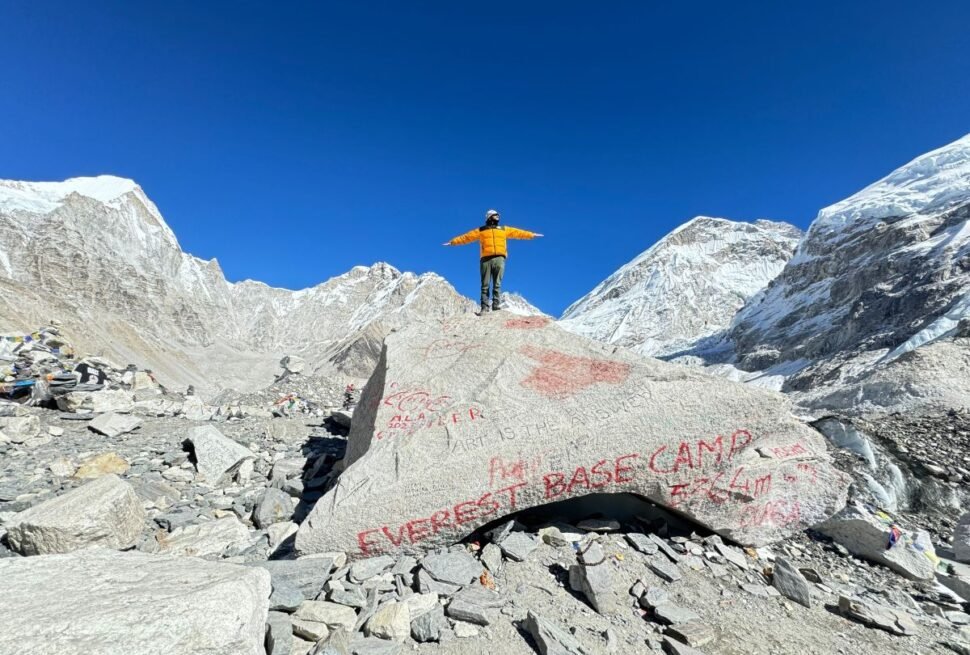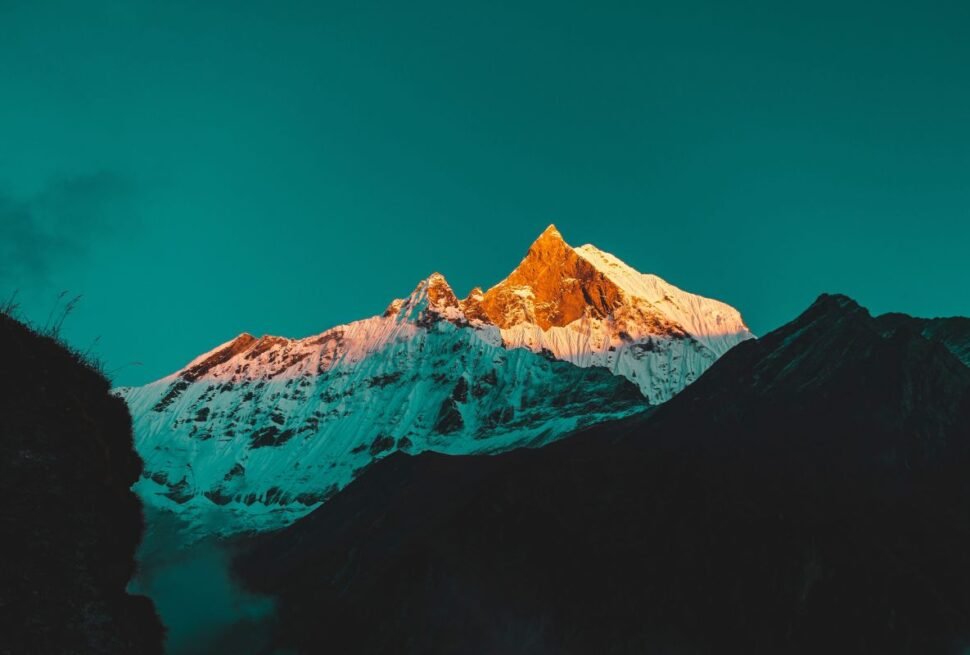
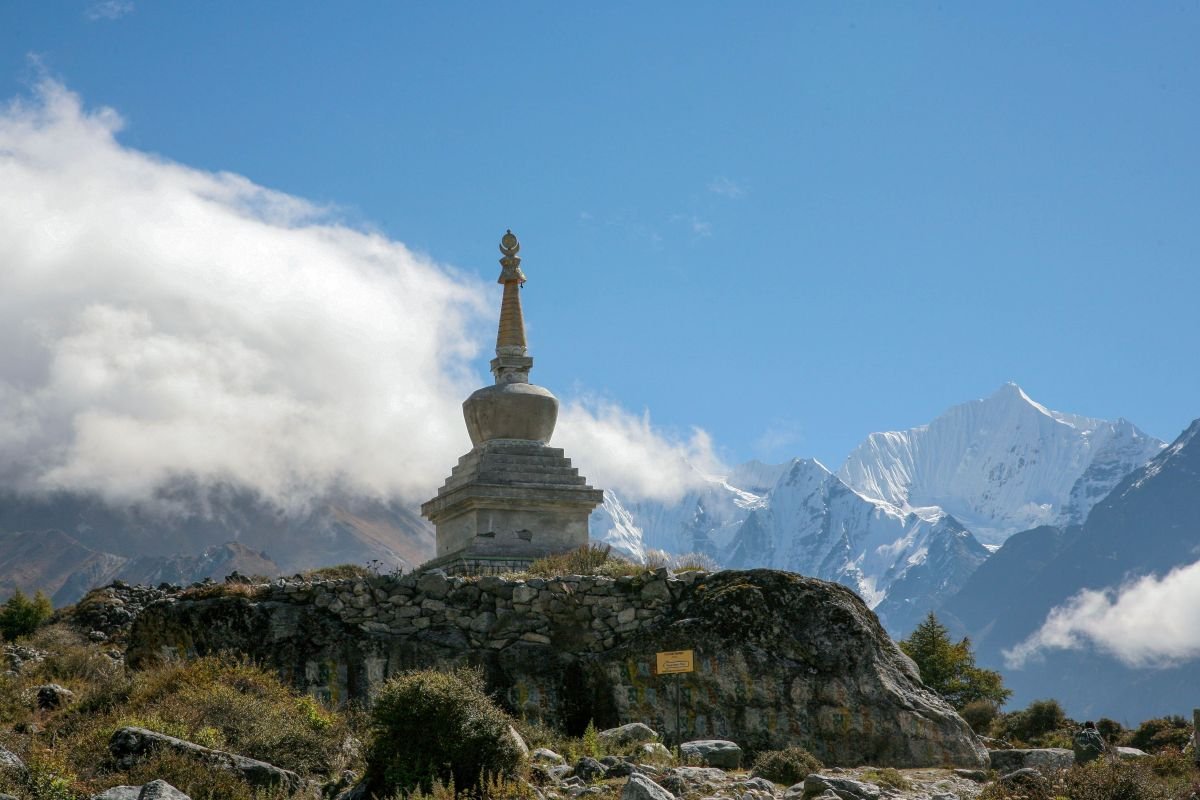
The best time to do the Langtang Valley Trek is generally during spring (March to May) and autumn (September to November). These months offer stable weather, clear mountain views, comfortable trekking conditions, and relatively dry trails. However, Langtang can be trekked in other seasons as well, and the best month depends on whether you prioritize clear skies, blooming rhododendrons, fewer trekkers, or a quieter experience.
Langtang Valley Trek in Spring
Langtang Valley Trek in Spring, from March to May, is one of the most beautiful times to trek through the Langtang Valley. As winter gradually ends, temperatures become more comfortable, the trails become easier to walk, and the hillsides begin to fill with colorful flowers.
The journey from Syabrubesi through Lama Hotel and Langtang Village toward Kyanjin Gompa becomes particularly scenic during this period. Lower sections of the trail are surrounded by forests, while the higher elevations open up to impressive views of the Langtang range.
Spring is also the season when rhododendrons, Nepal’s national flower, bloom across many parts of the region. Depending on the elevation and conditions, trekkers can see forests covered in shades of red, pink and white.
March
March marks the beginning of the main spring trekking season. Temperatures are still relatively cool, particularly during mornings and evenings, but conditions generally become more comfortable as the month progresses.
The mountain views can be excellent, and there are usually fewer trekkers than during the busiest parts of autumn. For travelers who want a quieter experience without dealing with the heavier rain of the monsoon season, March can be an excellent choice.
April
April is one of the best months for the Langtang Valley Trek. The weather is generally pleasant, mountain visibility is often good, and rhododendron forests can be at their most colorful.
The combination of comfortable trekking temperatures, blooming flowers and Himalayan scenery makes April particularly appealing to photographers and nature lovers. Trekking activity also increases during the month, so popular teahouses can become busier.
May
May is the final month of spring and can still be a good time for the trek. Temperatures at lower elevations become warmer, while higher sections remain considerably cooler.
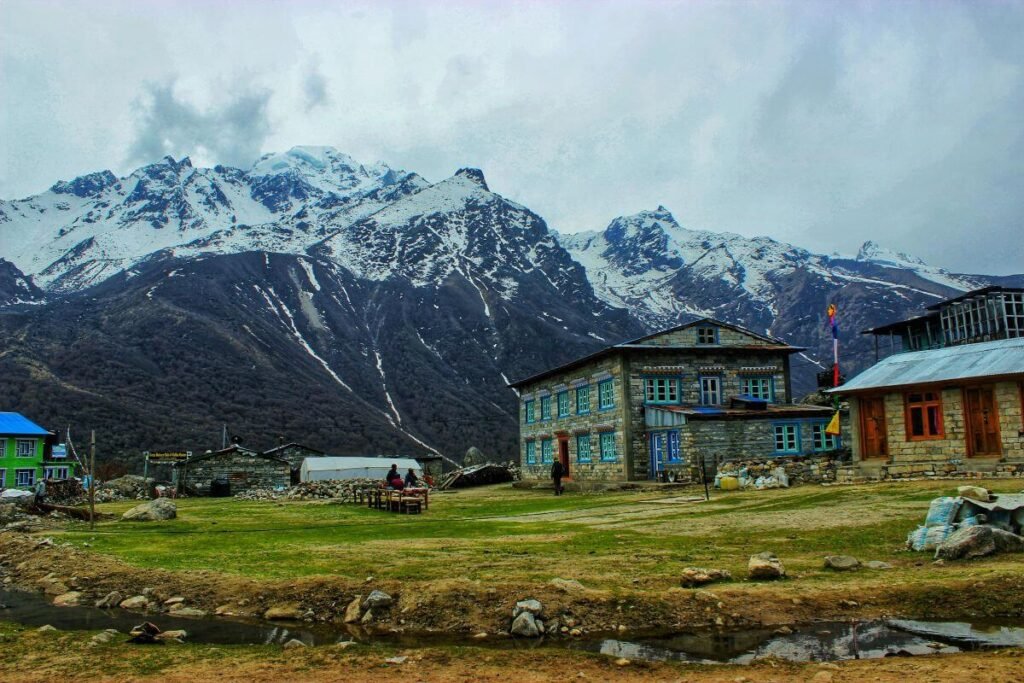
The weather can become less predictable as the month progresses and the monsoon approaches, but early May can still provide good trekking conditions. If you prefer warmer temperatures and want to experience the trail before the main monsoon season, May can be a suitable option.
Langtang Valley Trek in Autumn
Autumn, from September to November, is generally the best overall trekking season in Nepal, and the Langtang Valley is no exception. The monsoon gradually comes to an end, the skies become clearer, and the Himalayan mountains become more visible.
The landscape is also refreshed by the summer rains, giving the lower valleys and forests a lush appearance. As you ascend toward Kyanjin Gompa, the scenery gradually changes from dense forest to alpine landscapes surrounded by snow-covered mountains.
September
September marks the transition from monsoon to autumn. The beginning of the month can still receive some rainfall, particularly during unsettled weather, but conditions generally improve as the month progresses.
Later September can be an excellent time to trek if you want greener landscapes and fewer crowds than the peak autumn period. Mountain visibility also tends to improve as the monsoon clouds disappear.
October
October is arguably the best month to do the Langtang Valley Trek.
The weather is generally stable, the trails are relatively dry, temperatures are comfortable for walking, and visibility is often excellent. These conditions make it easier to enjoy views of the Langtang Himalayas and surrounding peaks.
Because October is a peak trekking month, the trails and teahouses can also be busier. It is therefore a good idea to plan accommodation and transportation in advance, particularly if you are traveling with a larger group.
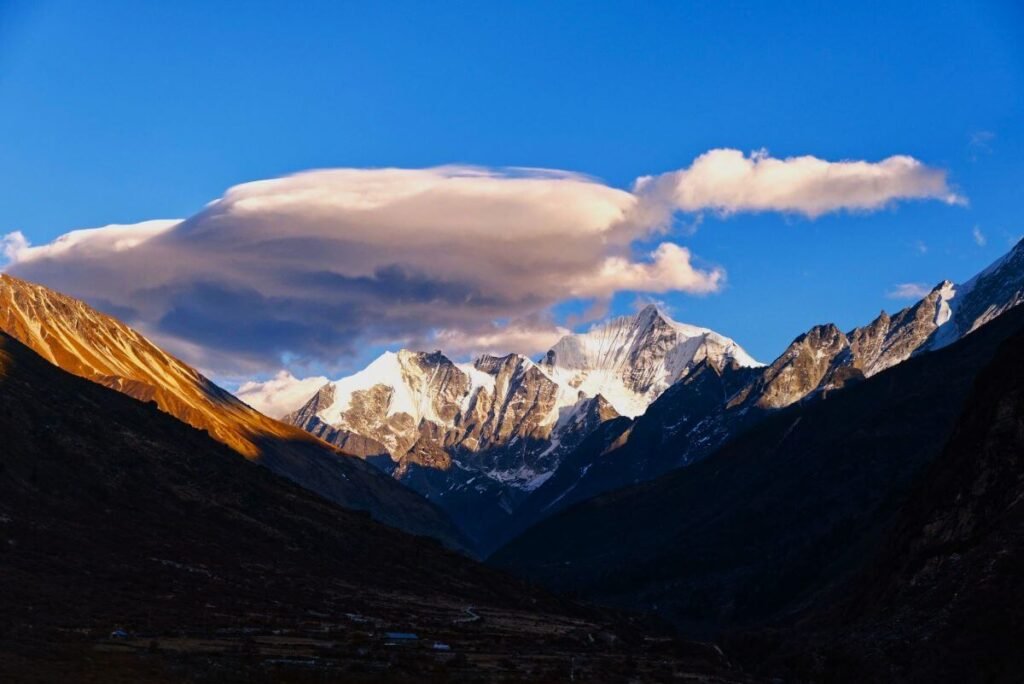
November
November continues to offer excellent trekking conditions, although temperatures gradually become colder, especially at higher elevations and during early mornings and nights.
The skies are often clear, making November another excellent month for mountain photography and panoramic views. Toward the latter part of the month, trekking activity can decrease compared with October, making it attractive for travelers who prefer a quieter trail.
Can You Do the Langtang Valley Trek in Winter?
Yes, the Langtang Valley Trek can be done during winter, but December, January and February require better preparation for cold conditions.
Winter brings cold mornings and nights, and temperatures drop considerably as you gain elevation toward Kyanjin Gompa. Snow and ice can also affect higher sections of the trail depending on weather conditions.
December
December can offer cold but clear conditions. Mountain visibility can be excellent, and there are generally fewer trekkers compared with spring and autumn.
However, you need appropriate winter clothing, particularly for nights at higher elevations.
January
January is generally the coldest period of the year. Higher sections can experience freezing temperatures and snowfall, which can make some parts of the trail more challenging.
Winter trekking during January is better suited to trekkers who are comfortable with cold-weather conditions and have suitable equipment and preparation.
February
February remains cold, but conditions gradually begin transitioning toward spring. Snow can still occur at higher elevations, but the increasing daylight and gradually warming temperatures make the latter part of February more attractive for trekking.
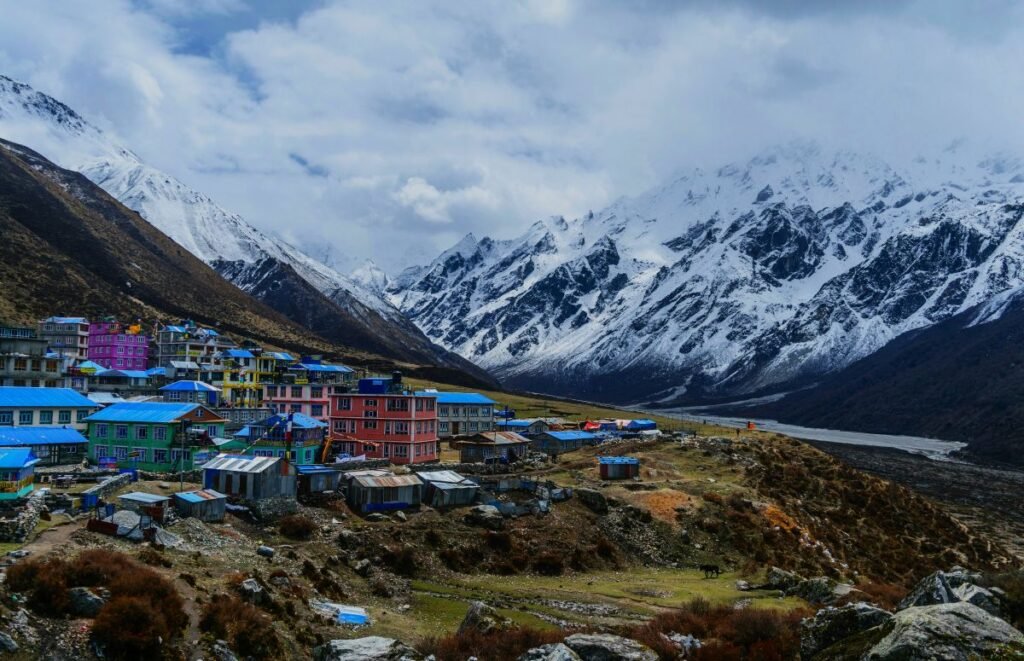
Winter can therefore be a rewarding option if your priority is fewer crowds, peaceful trails and snowy Himalayan scenery rather than warm and easy trekking conditions.
Can You Do the Langtang Valley Trek During the Monsoon?
The Langtang Valley Trek is possible during the monsoon months of June, July and August, but this is generally not considered the best time for the trek.
The monsoon brings frequent rainfall to Nepal, which can make trails wet and slippery. Cloud cover can also obscure mountain views, while rain may increase the possibility of landslides and transportation disruptions along the road to the trailhead.
At lower elevations, trekkers may also encounter leeches and muddy sections of trail.
That does not mean Langtang is completely inaccessible during the monsoon. Travelers who don’t mind rain and changing conditions can still trek, but they should carry reliable waterproof clothing, protect their luggage from moisture and allow flexibility in their itinerary.
If your main priority is clear Himalayan views and dry trekking trails, spring or autumn is a much better choice.
Langtang Valley Trek Month-by-Month
| Month | Weather | Mountain Views | Trail Conditions | Crowd Level | Overall |
|---|---|---|---|---|---|
| January | Very cold | Often clear | Snow/ice possible at higher elevations | Low | Challenging |
| February | Cold | Good | Cold, snow possible | Low | Good for experienced trekkers |
| March | Pleasant | Good | Generally good | Moderate | Excellent |
| April | Pleasant | Excellent | Generally dry | Moderate–High | Excellent |
| May | Warm at lower elevations | Generally good | Mostly good | Moderate | Very Good |
| June | Wet | Limited | Wet/slippery | Low | Not ideal |
| July | Wet | Limited | Wet/slippery | Low | Not ideal |
| August | Wet | Limited | Wet | Low | Not ideal |
| September | Improving | Improving | Gradually drying | Moderate | Good–Excellent |
| October | Excellent | Excellent | Excellent | High | Best |
| November | Cool | Excellent | Generally dry | Moderate | Excellent |
| December | Cold | Often clear | Cold/snow possible | Low | Good for experienced trekkers |
The table provides a general overview, but conditions can vary from year to year. Weather in the Himalayas is not completely predictable, so trekkers should always prepare for changing conditions regardless of their travel month.
Which Month Is Best for the Langtang Valley Trek?
If you want the best overall trekking experience, October is the strongest choice. The combination of stable weather, clear mountain views, comfortable daytime temperatures and generally good trail conditions makes it particularly attractive.
If you want to experience rhododendron flowers and colorful forests, April is an excellent choice. The spring landscape adds another dimension to the trek, particularly through the forested sections of the route.
If you prefer clear mountain views with somewhat fewer trekkers, November and March are worth considering. Both can provide good trekking conditions while generally being less busy than the peak October period.
For trekkers specifically interested in snow and a winter Himalayan experience, January and February can be rewarding. However, the colder temperatures and potential snow require better preparation.
Travelers looking for a quieter trekking experience can also consider the shoulder periods around the main seasons. Conditions may not be as consistently favorable as October or April, but fewer people can make the trail feel more peaceful.
What Is the Weather Like During the Langtang Valley Trek?
Weather during the Langtang Valley Trek changes significantly with elevation. The trail begins around Syabrubesi and gradually climbs through Lama Hotel and Langtang Village before reaching Kyanjin Gompa, which sits at a much higher elevation.
Lower sections of the trek can feel relatively warm during the daytime, particularly in spring and autumn. As you gain altitude, temperatures become progressively cooler, especially after sunset and early in the morning.
This means you should not pack based only on the weather you experience in Kathmandu or at the trailhead. Conditions at Kyanjin Gompa can be considerably colder, and snow is possible in the higher parts of the valley during the colder months.
The best approach is to prepare for changing temperatures by using a layering system that allows you to add or remove clothing as conditions change.
What Should You Pack for the Langtang Valley Trek?
Your packing list should depend partly on the season you choose.
During spring and autumn, comfortable trekking clothes, fleece layers, a warm jacket, trekking trousers, gloves, a hat and rain protection are generally useful. Even during the warmer seasons, you should carry warm clothing because nights at higher elevations can be cold.
For winter trekking, you need more substantial protection against the cold. Thermal layers, a warm down jacket, insulated gloves, a warm hat and suitable sleeping gear become particularly important.
During the monsoon, waterproofing becomes the priority. A reliable rain jacket, waterproof bags or dry bags, water-resistant footwear and additional protection for electronics and clothing can make the trek much more comfortable.
Regardless of the season, good trekking footwear, sunscreen, sunglasses, a reusable water bottle and basic personal medication should be part of your preparation.
Is the Langtang Valley Trek Suitable for Beginners?
The Langtang Valley Trek can be a suitable choice for beginners who have reasonable fitness and prepare properly. You do not need extensive technical climbing experience for the standard trekking route, but you should be comfortable walking for several hours on consecutive days.
The trail includes ascents and descents, uneven terrain and significant elevation gain as you approach Kyanjin Gompa. Your experience can also vary depending on the itinerary, walking pace, acclimatization schedule and weather conditions.
For first-time trekkers, choosing a favorable season such as spring or autumn can make the overall experience more comfortable because the trails are generally drier and weather conditions are more predictable.
How Many Days Do You Need for the Langtang Valley Trek?
Most Langtang Valley Trek itineraries take around 7 to 10 days, although the exact duration depends on your starting point, transportation arrangements, acclimatization schedule and whether you include additional excursions.
A typical route follows the general progression from Syabrubesi to Lama Hotel, Langtang Village and Kyanjin Gompa, followed by the return journey.
Some itineraries also include extra time around Kyanjin Gompa for exploration and acclimatization. This can allow trekkers to enjoy the surrounding Himalayan landscape rather than rushing through the valley.
When choosing an itinerary, don’t focus only on completing the trek in the shortest possible time. A well-paced itinerary can make the journey more enjoyable and give you enough time to appreciate the landscapes, villages and mountain views along the way.
Tips for Choosing the Best Time for the Langtang Valley Trek
The best season ultimately depends on what you want from your Langtang experience.
If your priority is the best combination of weather, visibility and trail conditions, choose October.
If you want spring flowers and colorful rhododendron forests, April is an excellent option.
If you want clear mountain views while avoiding some of the busiest trekking periods, consider March or November.
If you specifically want snowy landscapes and a quieter trail, winter can provide a completely different experience, although you need to be prepared for much colder conditions.
If you want to avoid heavy rain and wet trails, it is better to avoid the main monsoon months of June, July and August.
Most importantly, remember that Himalayan weather can change quickly. Even during the best trekking seasons, you should carry appropriate layers and rain protection and remain flexible with your itinerary.
Ready to Trek the Langtang Valley?
Now that you know the best time to visit Langtang Valley, it’s time to start planning your adventure. Whether you want to experience the colorful rhododendrons of spring, the crystal-clear mountain views of autumn, or a quieter winter trek, we can help you choose the right itinerary for your travel dates and preferences.
Planning to trek Langtang Valley? Contact us today or WhatsApp us for itinerary details, pricing, availability, and help planning your trek. Let’s turn your Langtang adventure into an unforgettable Himalayan experience.
Frequently Asked Questions About the Best Time for Langtang Valley Trek
What is the best month for Langtang Valley Trek?
October is generally one of the best months for the Langtang Valley Trek. It usually offers stable weather, clear mountain views, comfortable daytime temperatures and favorable trail conditions.
Is October good for Langtang Valley Trek?
Yes. October is part of the peak autumn trekking season and is widely considered an excellent time to visit Langtang. The main disadvantage is that trails and teahouses can be busier.
Is April a good time to trek Langtang Valley?
Yes. April is one of the best spring months for the trek. The weather is generally pleasant, mountain visibility can be excellent, and rhododendrons add vibrant colors to the landscape.
Can I trek Langtang Valley in winter?
Yes, but winter trekking requires preparation for cold temperatures and possible snow at higher elevations. December through February is better suited to trekkers who are comfortable with colder Himalayan conditions.
Can I do the Langtang Valley Trek during monsoon?
Yes, but June through August is generally less favorable because of rainfall, cloud cover, wet trails and potentially difficult road conditions. Trekkers choosing this period should be prepared for wet weather and reduced mountain visibility.
Is Langtang Valley Trek crowded in October?
October is one of the busiest trekking months because of its favorable weather. While Langtang is generally less crowded than some of Nepal’s most famous trekking routes, popular sections and teahouses can still become busy during peak periods.
Which is better for Langtang, spring or autumn?
Both seasons are excellent, but they offer different experiences. Spring is better for rhododendron blooms and colorful forests, while autumn generally offers more stable weather and clearer Himalayan views. For overall trekking conditions, October is often the preferred choice.
Can I trek Langtang Valley in September?
Yes. September can be a good time, particularly during the latter part of the month as the monsoon begins to retreat. Early September can still experience rainfall, so conditions are generally more reliable later in the month.